



.jpg)
It’s quite a time for the Ontario education system. Wait, yes, I know it’s quite a time everywhere; it’s not a contest you guys. It’s just an especially confusing time for anyone with a stake in London’s schools, which is all of us, parents or otherwise, because education is vital to keep us out of the gutter1.
So, as community leaders, it’s important we pay attention to change in our education system, and I’m sure you’ve heard that the Province of Ontario has announced wide-ranging, impactful changes in that area. And it’s been no secret that there have been enormous challenges at a local level in parts of the province, including, infamously, at TVSDB (more on that below). Note this affects English-language boards, both public and Catholic, but not those supporting education in French. See - complicated, right?
So, to help us all understand it better, I did a bit of sifting and reframing and, with help from open-source images2, here’s your scrollable, simplified guide to the issues, designed for skimming and perhaps a closer look. Thanks for giving it a go, and being engaged citizens of the Forest City. And thanks for reading London Ontario Online News, for so it is now named. Stick with us.
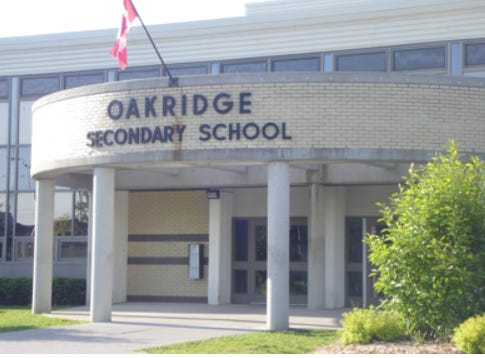

What’s happening - the background
First, as we like to round here, let’s have the basics. Please enjoy the gist (with a little A.I. support, though I did the bold this time):
Governance changes to school boards
Ontario’s proposed legislation would significantly restructure English-language school boards by reducing trustee numbers, capping them at 12, and limiting their responsibilities. The goal, according to the province, is to streamline governance and reduce distractions, though critics argue it weakens democratic oversight and local representation.
Reduced role and accountability of trustees
Trustees would see sharply curtailed authority, especially in budgeting and bargaining. Their expenses would be tightly restricted, including caps on honorariums and bans on certain reimbursements. The province frames this as improving accountability, citing past spending controversies as justification for stricter financial controls.
Introduction of new executive leadership roles
The legislation creates two new senior positions: a chief executive officer overseeing operations and finances, and a chief education officer focused on student outcomes. These roles shift power from elected trustees to appointed professionals, emphasizing managerial expertise and formal qualifications in governance and education.
Centralization of bargaining and ministerial authority
Collective bargaining would be centralized under a professional body, reducing trustee involvement. The education minister would gain authority in key decisions, including resolving budget disputes and approving CEO dismissals. This marks a clear move toward provincial control over local boards, raising concerns about political influence.
Classroom and student assessment changes
The bill introduces mandatory exams, standardized learning resources, and new grading rules incorporating attendance. Attendance could count for up to 15 percent of marks in lower grades. The province argues this addresses rising absenteeism post-pandemic and better prepares students for workforce expectations.
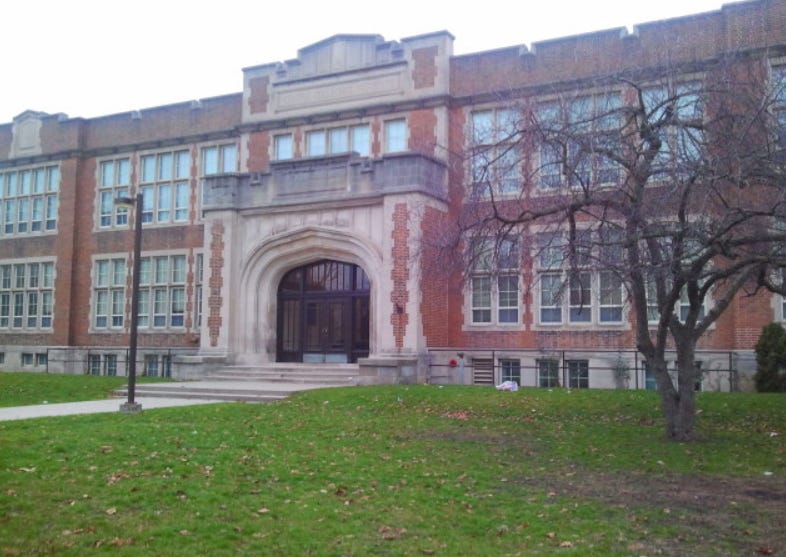

News reporting - Ontario
It’s foundational reporting here - and initial stories may change over the first few days, so take care with the deets.
Coverage of the announcement, from CBC’s Adam Carter:
And his colleague Jessica Wong has this excellent explainer:
Scrolling down on that second one provides strong content about what trustees do, what they don’t do, and the sometimes-confusing makeup of education governance across our province’s democratic institutions.
And here’s something from CTV News at Queen’s Park:
Any or all of those should provide good resources, and of course authority for my various assertions.
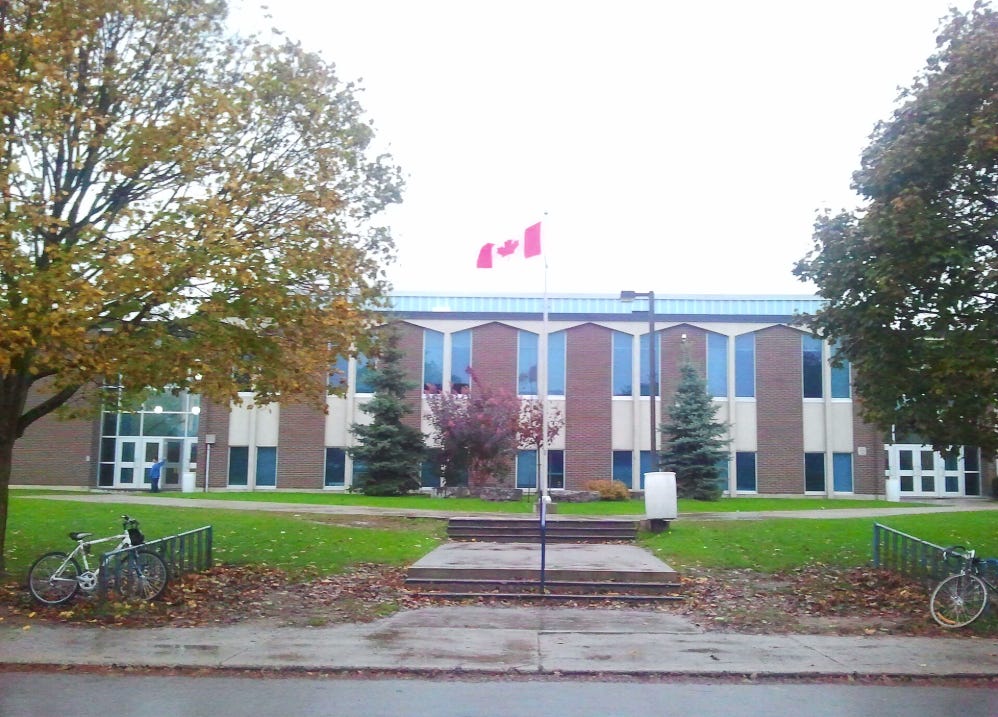

News reporting - London
Want to get more local? Here’s another great explainer from Heather Rivers Davey of the London Free Press (covering much of the same ground):
And a sidebar: the troubles at TVDSB
These changes at Ontario level affect the whole province, but of course London’s public board is a special case due to its history of supporting the Toronto Blue Jays. (Heather Rivers Davey with a big story for the Freeps there.)
Let’s get this a bit clearer before we go any further. This story about the (second) retirement of Thames Valley District School Board boss Bill Tucker has an up-to-date guide to it all.
And, to save you the trouble, here are some events in chronological order:
2023–24: Board finances deteriorate; deficit reaches at least $17.3M
Sept 2024: $40K Toronto retreat by senior staff draws scrutiny
Tucker returns as interim director after Mark Fisher goes on leave
Provincial audit finds financial mismanagement and compensation issues
Senior staff exodus takes place in stages over several months
April 2025: Province appoints supervisor Paul Boniferro, removes trustee control
2024–25: Deficit projected to grow to $32M; cuts and asset sales planned
Feb 2026: Tucker announces plan to step down once successor is hired
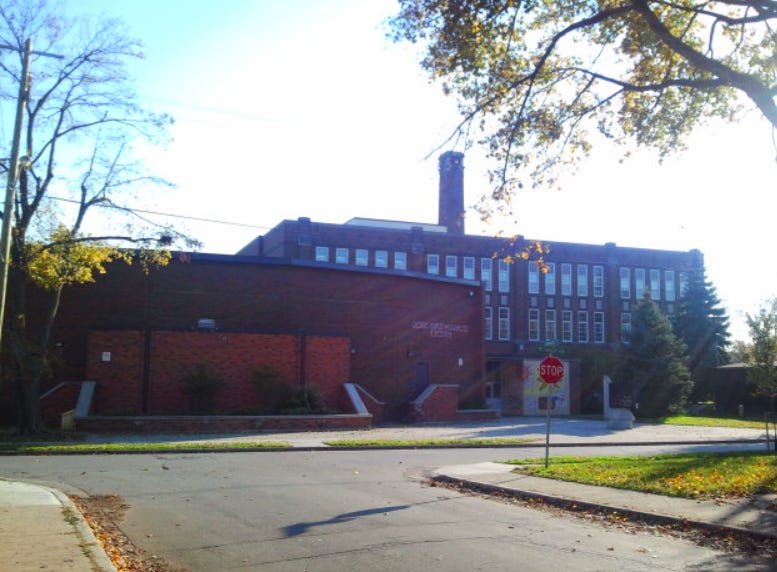

Context: troubles in the education sector
Just a quick addition here, to recognize some relevant public discussion and reporting.
Ontario’s education bosses are pointing to the need to improve the system, with less than half of all high school students showing up.3
And it’s tough in education - here’s union president Rebecca Avey talking to Craig Needles about the challenges for education assistants.
.jpg)
Reaction to Province’s changes
OK, now we all understand what’s happening. But what do the main players think?
There’s a lot of discussion on this issue, so I’ll do a list:
Reaction from London Catholic District School Board - the Chair of the Board, Gabe Pizzuti, is in discussion with AM980/CFPL’s Mike Stubbs here.
The LFP (Heather Rivers Davey again) has reaction from TVDSB Trustee Marianne Larsen, and board officials, here.
And Marianne Larsen also joined Craig Needles on his podcast, which you can find here.
What do the teachers think? Well, here are two reports on reax from teachers’ unions: CBC and LFP.
.JPG)
But what about the election?
Well, it seems to be going ahead, even as we figure out who does what and why4. Again, we have Heather Rivers Davey’s reporting to thank, and here’s a rundown on which TVDSB trustees will run again. Spoilers: it’s a ‘no’ from Marianne Larsen, and no clear answer from three others.
And you have to wonder why they would run again, noting Larsen’s negative comments about the whole experience. Perhaps this will stabilize the governance changes running through education, and perhaps it won’t. I keep making the point that, after October, we probably won’t have an election of any kind for at least two to three years, and that means the people in power will act with a mandate, to some extent. Will Premier Doug Ford stop here?
I’m not betting on it.
Enough
That’s your EDUCATION SPECIAL. Like it? Find it useful? Let me know, because I think there’s a lot of potential in these themed briefings.
I’m off to drink too much coffee and write a book review. I hope your (checks notes in confusion) Thursday is kind to you. I’ll be back tomorrow with your local news ROUNDUP and many more antics and shenanigans5.
Cheers
- Mike
Some people don’t like their taxes going to services they don’t use. There is a word for them.
Bless the old-fashioned ‘sharing’ principles that persist in parts of the internet. Also, I’m not taking pix at schools. The cops come and talk to you.
Bloody hell.
All we know is baseball trips are OUT.
Mileage may vary.