


There is SO much happening in London this weekend! Between the following three events, you could easily pack your calendar:
But that’s not even everything that’s happening! So, where to start? I would check the 3 links above to explore those websites, but here are three of my top picks below.
The Loon Recommends for Sept. 17- 20:
A Night of Art, Music and South American Sounds
Come for the Art, Stay for the Corn - Ron Benner’s Corn Roast
Feel the Rhythm at London Reggae Fest
From Jamaica to Montreal: King Shadrock Brings the Reggae
A Night of Art, Music and South American Sounds
Thursday, Sept. 17 | 7:00 PM –9:00 PM | Hassan Law, 142 Dundas St. | FREE
Art show continues Sept. 18–20 | 12:00 PM – 4:00 PM
Tonight, you can experience live music, discover work by local artists and explore one of Dundas Street’s heritage buildings that has been beautifully refurbished.
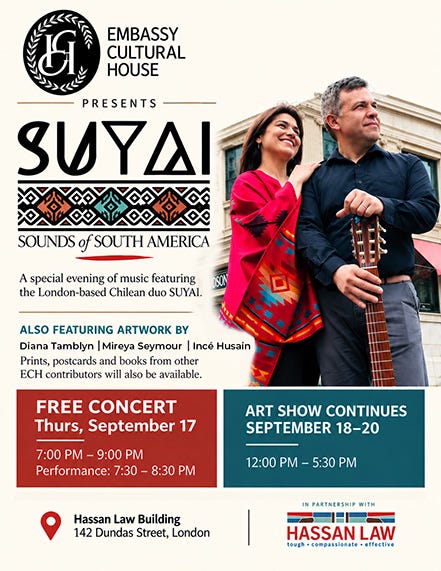
The Embassy Cultural House (ECH) is popping up at Hassan Law for a free celebration of art and music.
London-based duo SUYAI (Viviana and Mauricio), will bring the sounds of South America to downtown London, while the walls will feature work by local artists Diana Tamblyn (that’s me), Mireya Seymour and Incé Husain. You’ll also find prints, postcards and books from other ECH contributors.
If you can’t make it to the concert tonight, the ECH art show continues through the weekend.
Come for the Art, Stay for the Corn
Saturday, September 19 | 12:45–4 p.m. | Museum London, 421 Ridout St. N. | FREE
There are few better ways to spend a September afternoon than eating freshly roasted corn beside the Thames, especially when art is part of the deal.
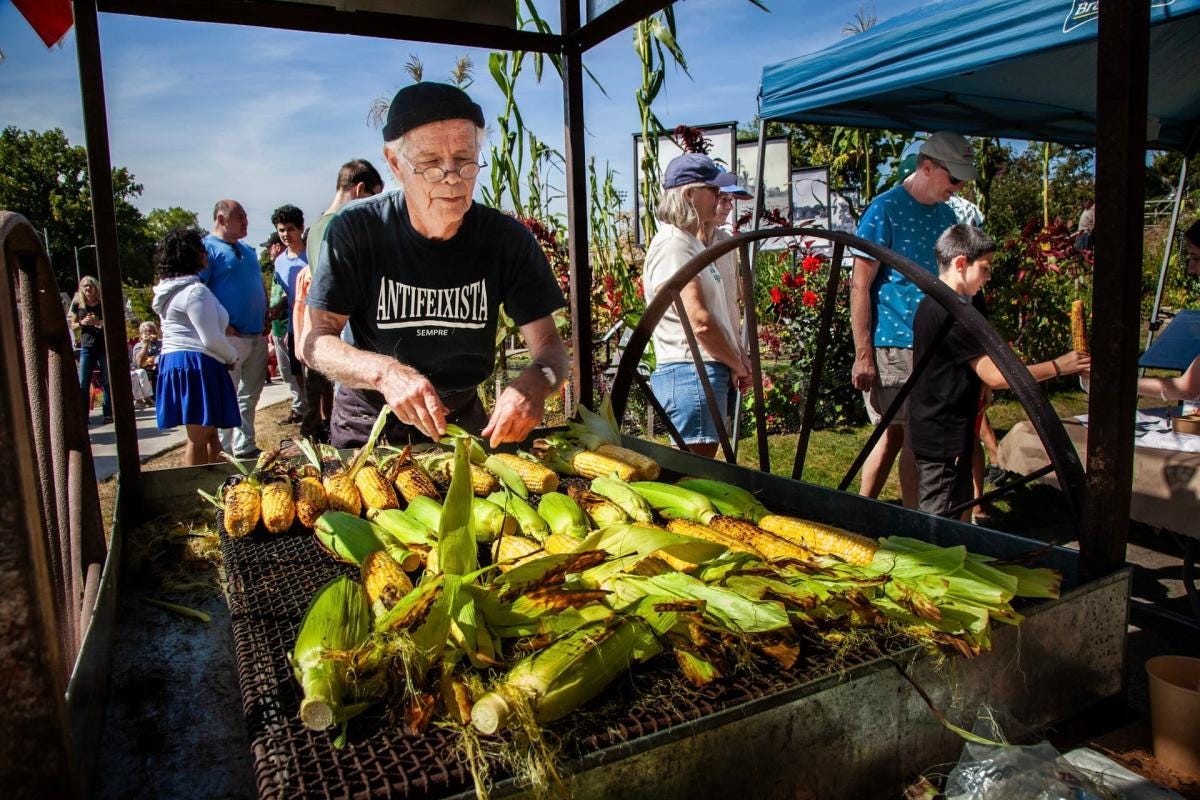
In what has become a yearly Fall tradition, artist, writer, activist and gardener Ron Benner returns to Museum London Saturday for his Community Corn Roast. This year celebrates the 21st anniversary of his As the Crow Flies garden installation.
The afternoon includes welcome remarks from Elder Mary Lou Smoke and Benner’s Maiz Barbacoa, a roving corn-roasting wagon. The corn is freshly roasted, and served with butter, salt, Mexican chili powder and fresh lime juice.
My advice → get there early! There is always a big line-up for the corn (but it’s a fun place to chat), and last year they ran out of corn pretty early on due to the high demand!
It’s free, it’s outdoors, and it combines art, food and community, three things I’m always happy to recommend! The event is part of both Doors Open London and Ontario Culture Days.
Downtown London - Sponsor of The Loon
Downtown London is dedicated to championing the businesses, events, restaurants, shops, and people that make the core of our city vibrant.
ADVERTISEMENT

Forest City Arts & Culture Round-Up is sponsored by Downtown London
www.downtownlondon.ca
Supporting independent local journalism in our community
Feel the Rhythm at London Reggae Fest
September 19–20 | Covent Garden Market | FREE
This weekend, London Reggae Fest is taking over Covent Garden Market for two days of live music, Caribbean culture, food and community.
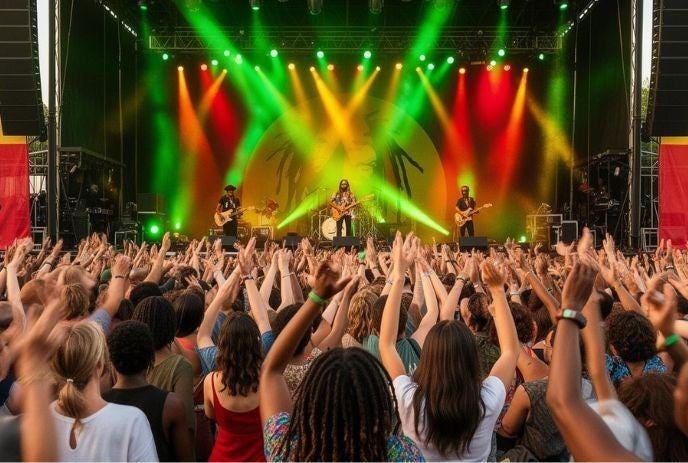
I had never heard of this festival before, but apparently this is its second year. This year’s festival brings together Canadian and international artists, live bands and emerging performers, with Saturday’s party celebration followed by a more family-focused Sunday. And like most events at the Market, the whole thing is FREE.
One of the artists coming to London is Jamaican-born, Montreal-based King Shadrock, whose music moves between reggae, dancehall and Shatta. He’s been building momentum on the Canadian festival circuit and is also one of the artists featured on This Is London, a reggae-rooted anthem created for London’s bicentennial.
From Jamaica to Montreal: King Shadrock Brings the Reggae
Ahead of London Reggae Fest, King Shadrock talks reggae, dancehall, Shatta and finding his place in Canada’s Caribbean music scene.
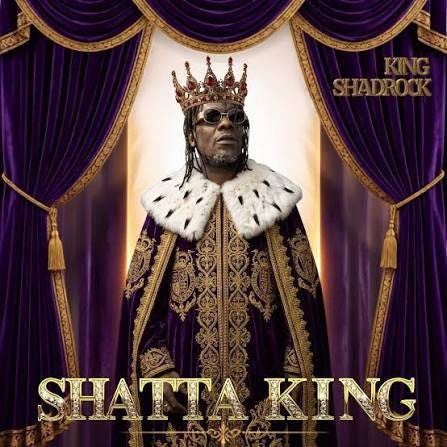
Jamaican-born, Montreal-based King Shadrock is bringing his blend of reggae, dancehall and Shatta to this year’s London Reggae Fest.
I caught up with Shadrock before he hits the stage in London to talk about his Jamaican roots, the influence of Montreal on his music and what he’s seeing in Canada’s growing reggae and Caribbean music scene.
1. You were born in Jamaica and are now based in Montreal. How have those two places shaped you as an artist and the music you make?
Born in Jamaica, reggae is all around us. The influence of reggae and dancehall is in our daily activity, believe it or not, so most youths try their best to make it in the music business, some make it, some don’t.
Living in Montreal has really helped me develop my craft, particularly because of the language. My writing and delivery of my music have evolved. The French language has become a part of my expression, and as a Jamaican living in Montreal who also speaks French it has opened a lot of doors for me.
2. For someone hearing King Shadrock for the first time at London Reggae Fest, how would you describe your sound?
Oftentimes people compare me to Buju Banton, an Iconic reggae and dancehall artist. because of my strong baritone vocal ability. But the festival-goers will get a variety of styles of reggae and dancehall from roots to hardcore.
3. Reggae, dancehall and Shatta all play a part in your music. What draws you to each of those styles, and how do you bring them together?
Growing up in Jamaica, dancehall was my favorite, and as I got older, I found a special love for reggae music.
Living in Montreal, I got a chance to connect with people in the music who sing in French. Shatta was created in Martinique it derived from the dancehall music of Jamaica, so it was inevitable that I became a part of that scene.
4. You’ve been performing at festivals across Canada recently. What are you seeing in terms of the appetite for reggae and Caribbean music in this country right now?
Caribbean music is on the rise in Canada. We see huge turnout at events for reggae dancehall and Caribbean music. But we still see a lack of support for artists who reside in Canada, and a lack of support for the so-called local Canadian act.
To me it’s the local Canadian act who becomes an international Canadian act in the future. We also see the promoters in Canada asking Canadian acts to always sing for free
5. You’re also part of This Is London, the reggae-rooted anthem created for London’s 200th anniversary. How did you become involved, and what was that experience like?
Thanks to the London Reggae Fest organizers, I performed last year and the Jamaican community in London showed me so much love. I stayed a couple of days, visited a few people, and went to a few studios. There was a genuine love and appreciation between London Ontario and King Shadrock - and that’s how I became a part of this beautiful music anthem!
I would also like to mention that I will be dedicating a part of the show to give a tribute to Buju Banton, as requested by the fans in London Ontario.
The Loon (London Ontario Online News) lineup
New content every day.

We’ve teamed up to send you a new feature every weekday:
Monday - Buckle Up - podcast with Matt Brown
SPONSORED BY HAMILTON ROAD BIATuesday - Ward Tours with Cedric Richards
SPONSORED BY LONDON BICYCLE CAFÉWednesday - City Hall Notes by Mike Donachie
SPONSORED BY SPERO LAWThursday - the Forest City Arts and Culture Roundup by Diana Tamblyn
SPONSORED BY DOWNTOWN LONDONFriday - Reflections with Steve Cordes
SPONSORED BY OLD EAST VILLAGE BIA
Also on Fridays: the local news ROUNDUP.
Every other Saturday: The Matt Brown Podcast. It's the show about all things local, and maybe some other stuff too. SPONSORSHIP OPPORTUNITY AVAILABLE.
I love seeing London busy.
Art.
Music.
Culture.
Festivals.
People downtown.
Local artists getting a stage.
Businesses getting customers.
More of that can be a very good thing.
But here's a simple question we almost never ask:
When an event is advertised as FREE, what did it actually cost — and who paid?
Free admission does not mean free production.
There may be sponsors.
BIA funding.
Government grants.
Venue support.
Staff time.
Security.
Cleanup.
Road closures.
Marketing.
Equipment.
Insurance.
Police or municipal services.
Volunteer labour.
Publicly owned facilities.
All completely legitimate possibilities.
But why not show the whole stack?
For every publicly supported festival or cultural event:
What was the total budget?
How much came from ticket revenue?
Private sponsorship?
BIA funding?
City funding?
Provincial funding?
Federal funding?
Tourism funding?
In-kind municipal services?
What did the venue contribute?
How many people actually attended?
How many came from outside London?
How many hotel nights were generated?
How much business did nearby merchants see?
How many local artists were paid?
How many vendors participated?
What measurable outcome was promised?
What was actually achieved?
And if the event comes back next year, does the funding automatically come back too — or do we first look at the results?
This isn't an argument against culture.
It is an argument for being able to demonstrate its value.
If a $20,000 investment generates $100,000 of measurable local activity, show us.
That's a success story taxpayers and businesses can understand.
If we don't measure it, we don't know.
London has a lot of programs, grants, sponsorships, festivals, BIAs, tourism initiatives and cultural investments.
Each one may look small by itself.
Together they form a system.
Measure the system.
Measure the outcomes.
Measure the pile, not the next layer.