



Part 1: Welcome to Ward 2
Cedric writes
We are continuing our journey through London’s wards in this summer series. Let’s go further east with this one. From Ward 4, you can take Oxford Street East right into Ward 2. Parts of the districts of East London and Crumlin make up the ends of Ward 2, with Argyle comprising the largest share of the ward.
You may be familiar with this ward if you went to Clarke Road Secondary School, or maybe your kids went to Forest City Public School, or Lord Nelson. Maybe your kids played hockey at Argyle Arena.
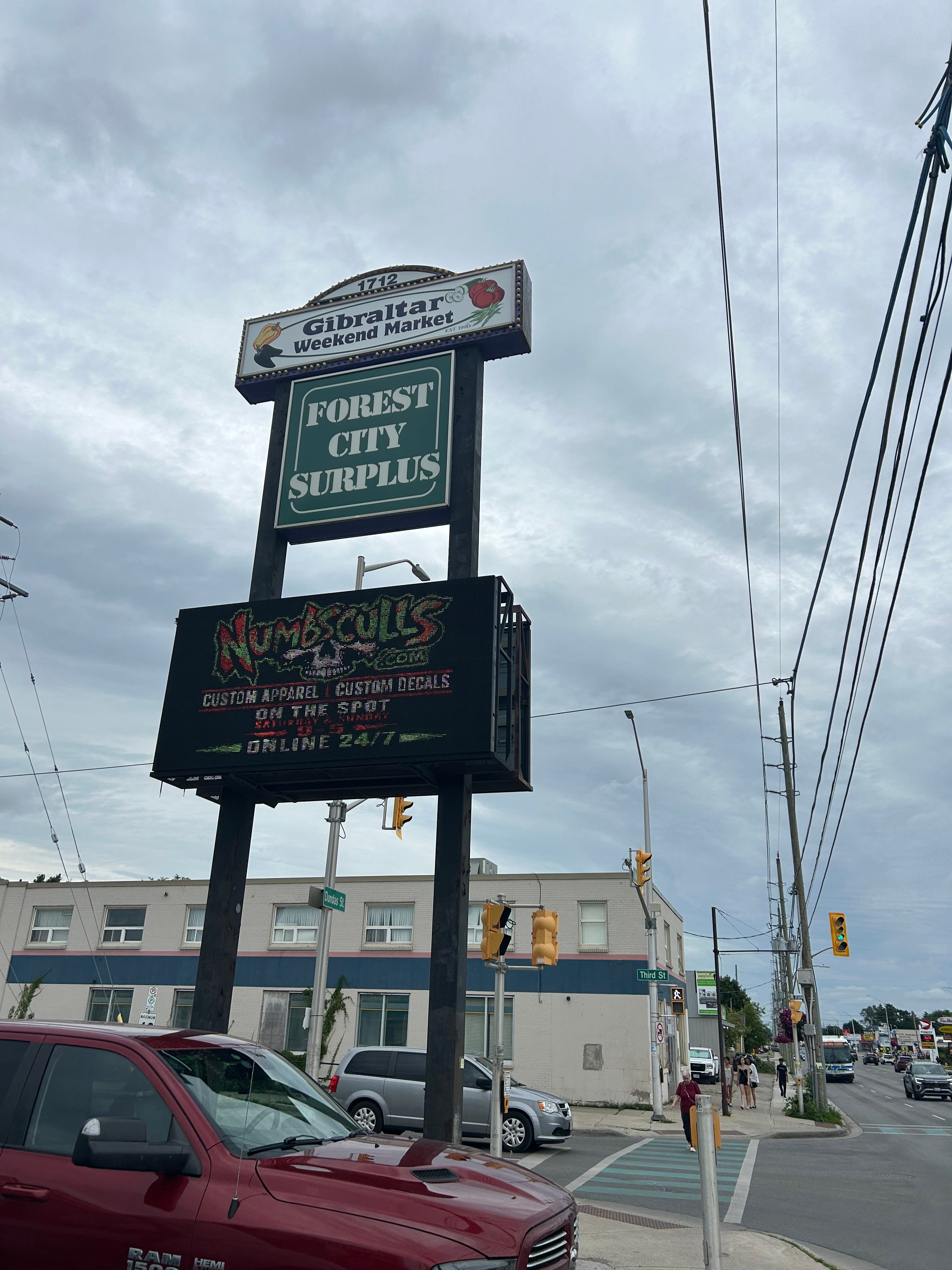
As a kid, I spent a lot of time here, mainly going to a Gibraltar Weekend Market every Saturday and sometimes Sundays. I can smell the poutine truck, the food trucks that preceded it, all the little booths and vendors selling interesting, oddball, and intricate things. I can small the wooden maze of shelves of mass market paperback books, the ones that had their pages colored red or yellow. I’m not around that market as much these days, but it feels the same even if the vendors have changed. I’ve always convinced myself that it should be a UNESCO World Heritage Site.
The area is another one of those working class and less than affluent wards in London. Like many places on London’s east side, the population of Indigenous people is greater than the city-wide average. Among the three districts that make up Ward 2, Argyle is the most ethnically diverse.
The vibe you get when you travel along Dundas Street, or through the neighbourhoods, there’s a feeling of ordinary, meat and potatoes, salt of the earth. They’re all your regular, average, no-nonsense, hard-working fellow Londoners who live here. My family watched a lot of television back in the day, and the closest thing I could describe this area with a TV show was Roseanne.
Transit in this ward is okay at best. It’s not great depending on what kind of shift you have to work in the industrial fringes of the area. I remember working a seasonal job in the area and having to bike in order to clock in on time because the bus that would take me there was out of service. But overall, transit here is miles better than in the west side of the city.
Cycling in this ward is not great, unless you use the paths in Kiwanis Park. Most major roads like Dundas Street and Clarke Road are only meant for cars. However, I’ve come to enjoy Wavell Street with its protected bike lanes.
You may have heard that the eastern half of this city may have a bad reputation and the perception is that the east end comes last when it comes to building this city. You can even see it in the little things, public and private. You hear it in private conversations. Six years ago, I saw someone on Twitter post that locals perceive that the most-recent good thing to happen to the east end was Walmart opening - back in 1994.
The most notorious of the public examples was how long it took for the East Lions Community Center to be constructed and to open versus other public works projects elsewhere in the city. Then there are those little, trivial things. West of the Thames River, there are zero at-grade railway crossings. In this ward alone, all but four crossings are at-grade. If you’re travelling along First, Second, Third, or Clarke, we hope you don’t get delayed by a train. The most trivial thing I found was when the province liberalized alcohol sales in grocery stores a decade ago, the initial rollout in London stores did not cross east of Wonderland Road. Then there was Thames Valley District School Board being shamed into abandoning a plan to set up a French immersion program at Clarke Road, part of which involved transferring some students. You start to wonder how much of the alienation of this corner of London is real versus perceived, and then you notice these above things. The question for this instalment is, how do the people of this ward, who may sometimes feel a sense of mistreatment, figure into London’s story?
That’s our challenge this summer: the story of London Ontario in 14 wards. Join us. We’re going by bike and by car, and we’re inviting Londoners into the conversation.
Cedric says:
Welcome to another profile of London’s wards. I’m your city editor, and I’m proud to bring you, for the second week in a row, another one of the wards on London’s east side. I’ve spent various portions of my day and week in this ward throughout my life, and it’s great to join up with Mike and to know his perspective on this place.
Mike says:
I’m in it for the breakfast and the stories. It was an interesting moment when I realized that one of my favourite spots, the Del-Mar on Dundas, is an important part of Ward 2. That had me looking at this area with new eyes, and it’s been rewarding to explore its various aspects, not least its unexpected peacefulness in spots. Or perhaps that was just the home fries talking…
Every week, we’re having a chat in the ward itself. Here are our musings together in Ward 2, where we had some breakfast in the best diner in the east end.
Errata
We’re deep into the details now and we both have small errors in the podcast we’d like to correct, with apologies:
Cedric writes: I’ve since (relearned) that the fry truck in front of Gibraltar is actually named Ed’s. It was known as Di’s until about 2019. But let’s remember, we are in an area of the city where people still refer to Clarke Road as “Clarke Side Road”.
Mike writes: I tripped over my acronyms at the end and of course know that Irene and Lindsay Mathyssen were/are MPPs, not MPs (with an added bonus typo here earlier, and now corrected). But as for that mangled Anchorman reference: you’re on your own there.
Ward 2: the Basics
Ward 2 - East London, Argyle, Crumlin
Population - 34,305


Cedric writes
Ward 2 has always been an East End ward, created in 2006 from the former Wards 3 and 4. Until this upcoming election, Ward 2 had Hale Street as its western boundary, the city limits as its eastern boundary, and the CPKC and CN rail lines as its northern and southern boundaries, respectively.
The ward for the 2026 municipal election will see a substantial change. Ward 2 will expand northward to Oxford Street, taking in a tract between Highbury Avenue and Clarke Road. Historically known as London Junction, this is where the CPKC rail line and a spur of the CN line intersect. In recent years, the area has become student-heavy with many single-family residences containing groups of students.
A minor change, hinted above, is that Ward 2 will also expand slightly to the west, making Highbury Avenue its new western boundary.
This ward also contains the core of the Argyle neighbourhood and much of Crumlin, where Dundas Street, Trafalgar Street, and Gore Road exit the city of London.
Part 2: Around the ward

East London
Cedric writes
The district of East London centres on Old East Village, but there’s a tiny bit of that district that extends into Ward 2. This is part of one of the changes to Ward 2. Instead of Hale being the western boundary, Highbury will border Ward 2 to the west, and it makes sense from an aesthetic or even superficial perspective. Arterial roads feel more like a border than residential streets.
Part of East London in Ward 2, the Pottersburg area, was annexed in 1912 as part of the city’s push to meet a population quota for Sunday streetcar service. The southeastern portion, near Hale and Trafalgar was annexed in 1950.
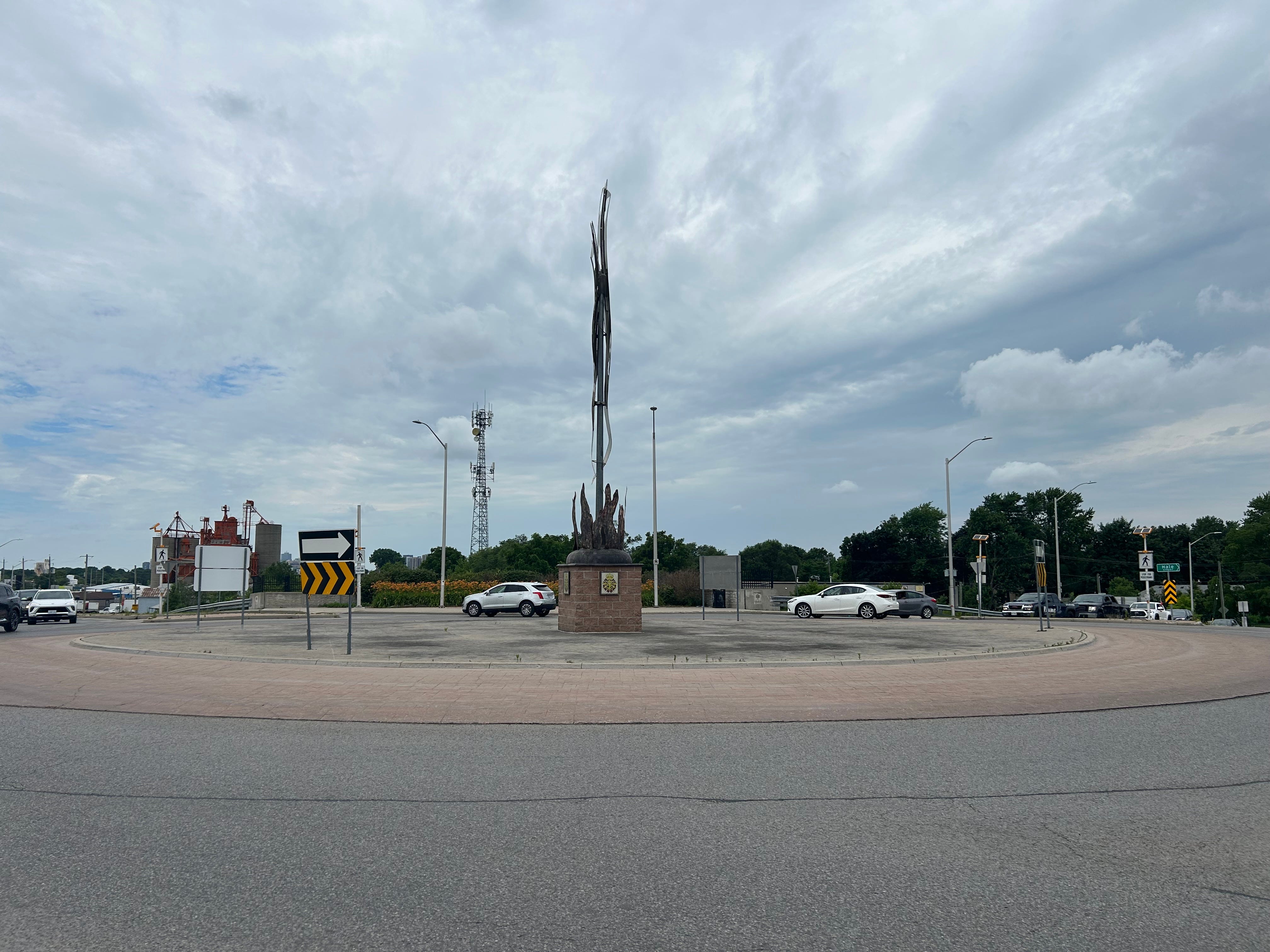
Speaking of Hale and Trafalgar, this is the intersection where London’s first full scale roundabouts is located. The idea was championed by then-Ward 4 candidate Roger Caranci, during the 2000 municipal election. Months before Caranci left office in 2010, the roundabout opened to traffic. Previously, traffic attempting to traverse Hale Street could be blocked by shunting trains.
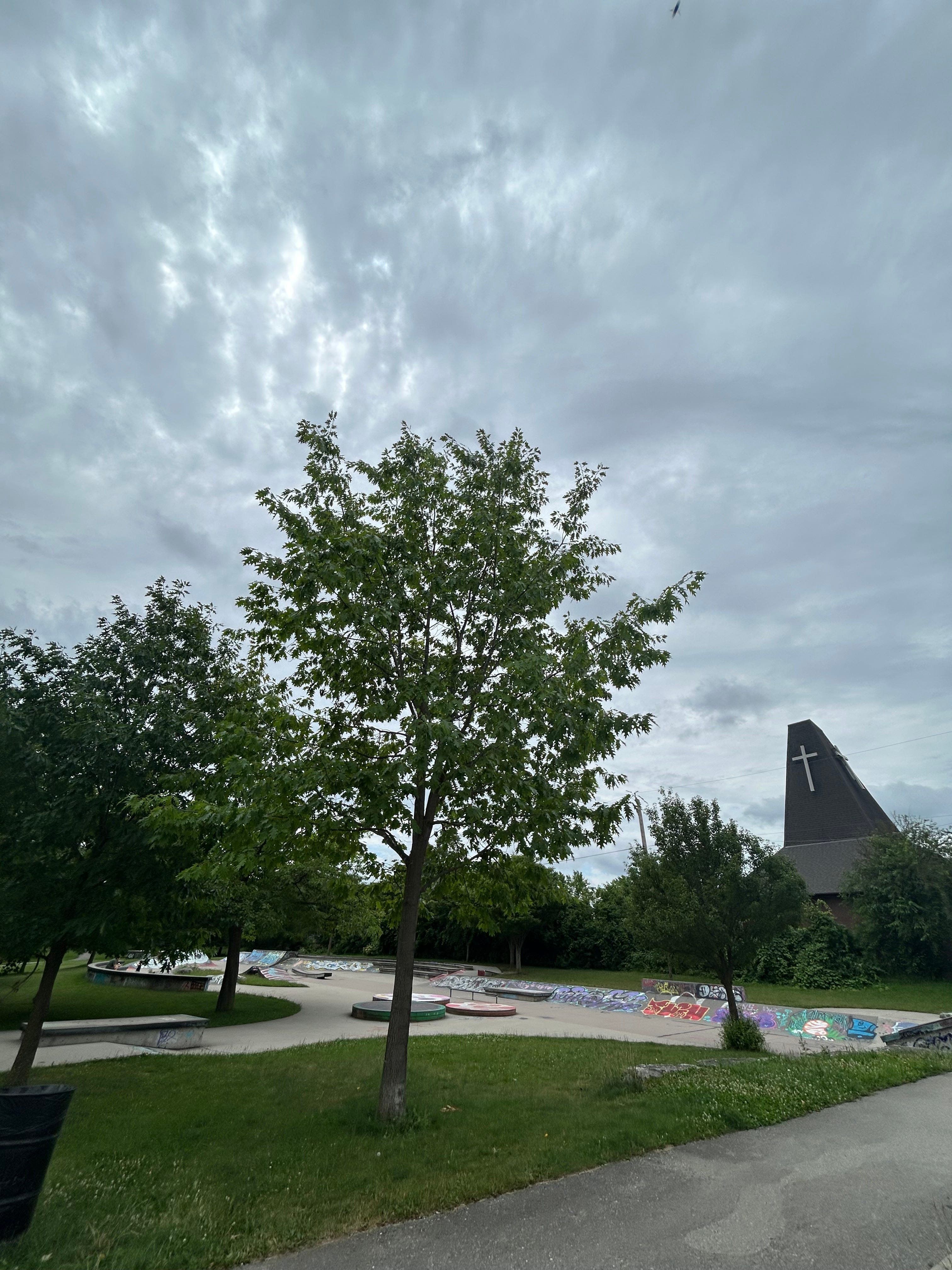
The border between East London and Argyle is roughly along the Pottersburg Creek. Centred on this creek is a park and trail system known as Kiwanis Park. Located between Dundas Street and Hamilton Road, it’s one of the places in the east end that is full of life, especially in the warmer months. The overpass connecting Fairmont with Argyle, over the CN tracks, was completed in 2017, but it was not until several years later that I first rode this trail system. The overpass allows for great views and trainspotting. It was a great alternative to Highbury, Hale, Clarke, and the discontinuous streets in between.
Argyle
Cedric writes
The mushrooming population growth of the west end of London attracts a lot of news stories, but as of the 2021 Census, Argyle remains London’s most populous district.
Before getting into the meat and potatoes of it all, we should discuss the newer part of Argyle that will be in Ward 2.
Like I mentioned above, the northern extension of Ward 2 is very student heavy. As an alumnus of Fanshawe College, I remember going to parties in this area when I was a 20-year-old.
The westward extension of Highbury to Hale is a good fit and completes that community-of-interest goal that is sought when redrawing the wards. When travelling along Hale Street, you literally cannot tell the difference between each side. The northern end of Hale is home to Russel Metals, which processes and distributes metal products and an important part of the supply chain.
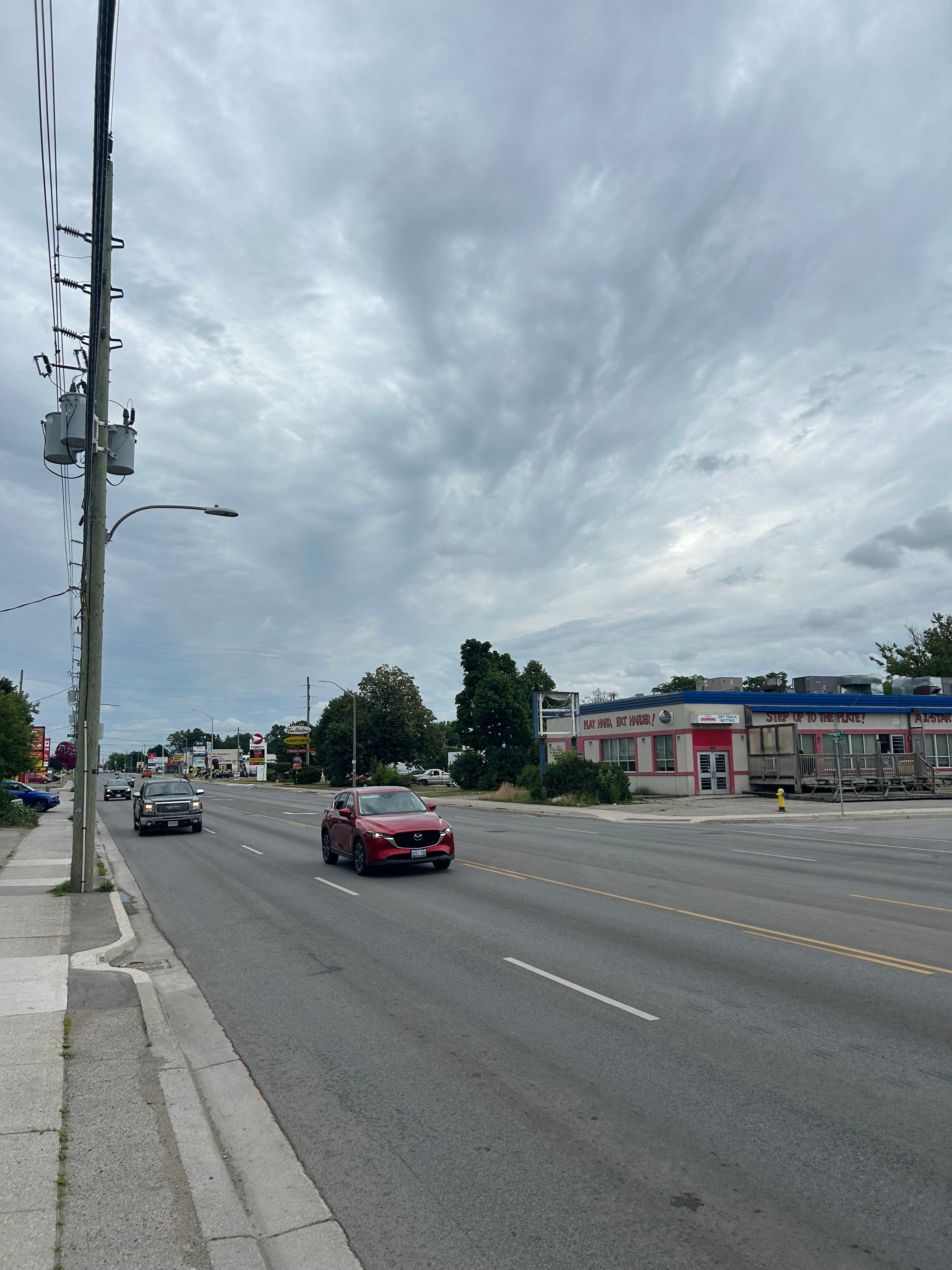
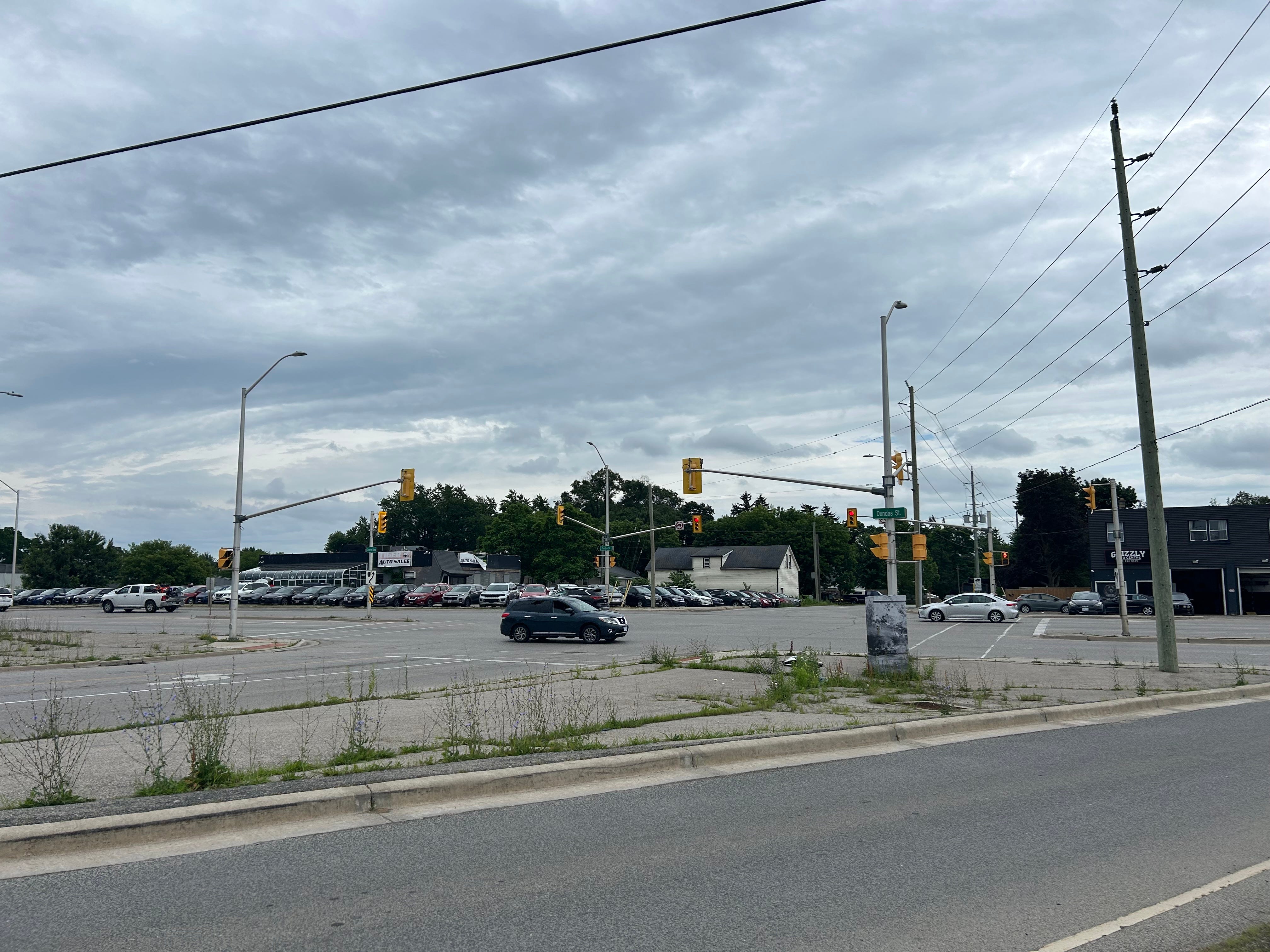
Argyle centres along Dundas Street, which is like a old-timey paradise of cheap diners and car mechanics and motels. It is one of the last remaining examples in London on how urban corridors took shape decades ago. It reminds me a lot of the old Golden Mile along Eglinton Avenue East in Scarborough. Until 1998, Dundas from Florence Street to the city limits and beyond was a part of Ontario’s Highway 2.
East Lions Community Centre is located along Wavell, but the address reads Churchill Avenue. It opened in late 2021, two years behind schedule and after city hall took over the project dismissing the original contractor. The opening came after decades of residents yearning for a community centre for the area. Regardless of the construction problems, it’s a wonderful building to be in, and I got to visit it about two years ago for a community consultation for a streetscape project.
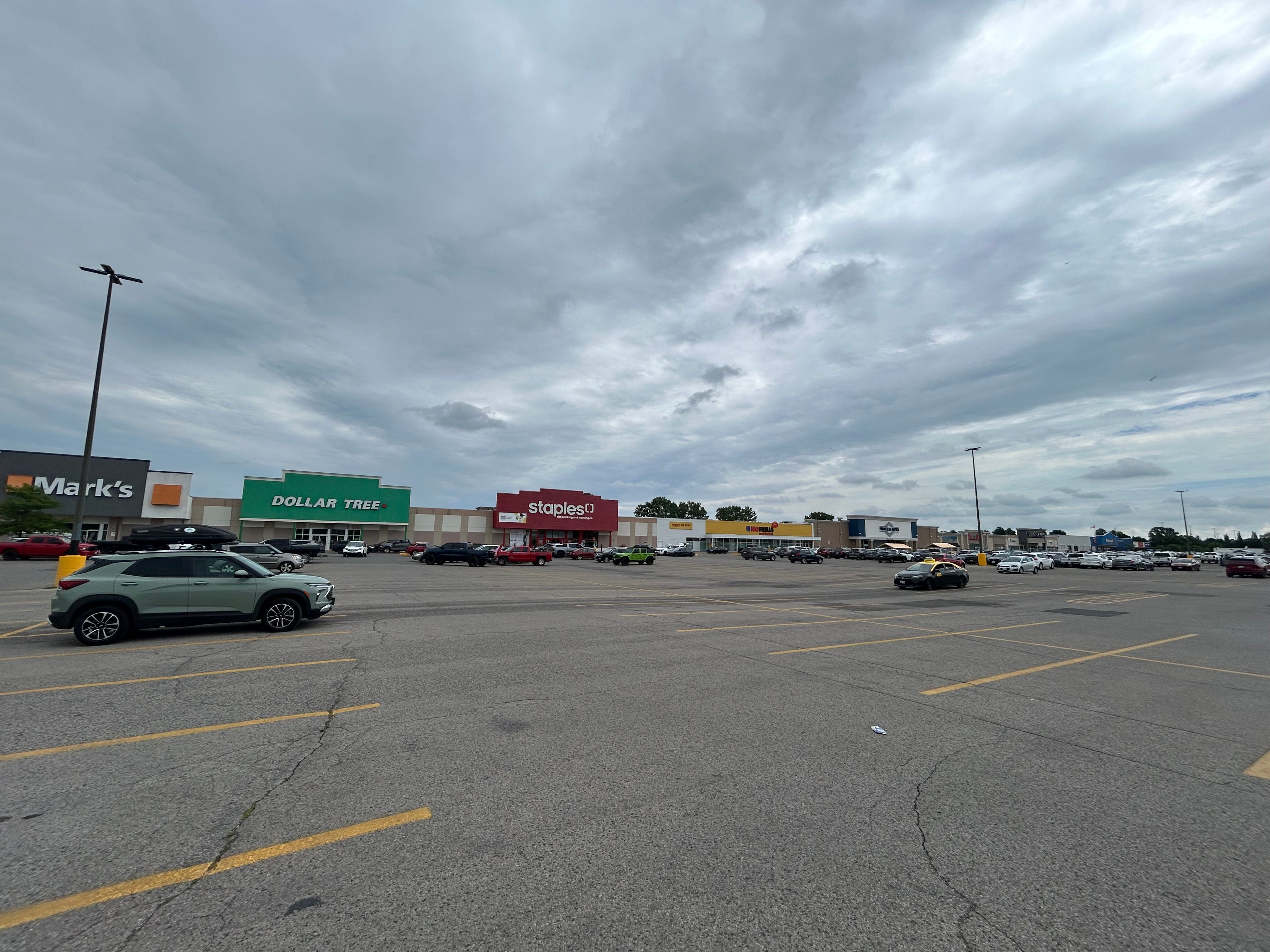
Argyle Mall is probably the go to for most Londoners when they think of Ward 2, or the neighbourhood. Opening in 1966, it featured Loblaws and Woolco as longtime anchors. Over the years, the format has changed, but more or less those anchors have been the same, they’re now No Frills and Walmart. Disappointingly, the mall gave into the big-box craze in which the interior was demolished and the complex was converted into a scheme in which one has to drive to each shop to visit it.
One thing I like to do in exploring a city is tracking patterns in the built environment. Between Highbury and Clarke, multiple streets intersect with Dundas with a peculiar naming convention. Saskatoon, Vancouver, Winnipeg, Manitoba, Calgary, Edmonton. This may be the most Western Canadian place in London. I wonder if Preston Manning has seen this, in his travels to the Forest City? (Manning spoke at London Gardens in 1991, so we know he has definitely been to London)
There are also subdivisions further east whose names end in -mouth (Dartmouth, Bournemouth, Weymouth), and names of explorers from centuries past (Baffin, Frobisher, Hudson, Cartier).
Looking at street names also took me back to visiting a family friend when I was a kid. They lived on a street called Cascade Avenue. One day, the street was named Marconi Boulevard. It made a bit of sense, as Cascade suddenly became Marconi at the end of a subdivision, but how it changed was a bit murky. Much of it was the perception of how unsafe or rough the area was, and the belief that changing the name would make a difference. As I’ve noted in a previous instalment in this series, the name changed, but the perception did not.
Crumlin
Cedric writes
Crumlin is the rural and industrial portion of the ward. It’s named for the hamlet that existed at the corner of Dundas Street and Crumlin Side Road. Up until 1993, it was the townline between the City of London and West Nissouri Township.
This was the district where I first learned to drive as a teenager, where I attempted to navigate all the cul-de-sacs of the industrial parks in the area, and drove along Sovereign Road and Trafalgar Street.
Crumlin Road between Dundas and Gore is a quiet, bucolic corridor. One thing that stands out amongst all the houses is the former St. Luke’s Anglican Church, just south of Kellerton Road. Also along the east side of this road is a parkland called Burnett Woods, which is still available to adopt, per the city’s website.
If you drive northbound along Veterans Memorial Parkway, and you see a sign for a company on your right, chances are that the building housing that company is located on Sovereign Road. It’s an industrial powerhouse.
At the corner of Trafalgar Street and Crumlin Side Road, a plot of land was the discussion point for an ill-fated push to bring the International Plowing Match to London. It’s an odd corner, where both ends of Trafalgar do not meet Crumlin evenly. We learned that the plot was too small to host such an event, and now there is a planning application to sever parts of the land and build 12 single-family residences on it.
Part 3: Politics of Ward 2
Mike writes
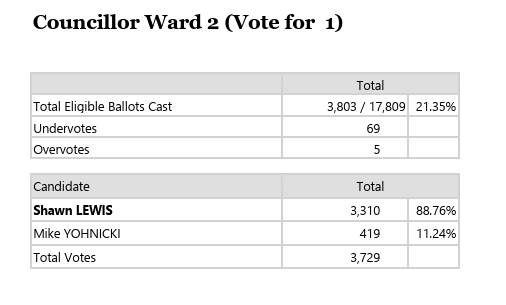
There are just two candidates vying for this one, and it’s really tempting to predict Ward 2 will go the same way as last time, with a very strong incumbent carrying the day. We have Deputy Mayor Shawn Lewis facing Zack Ramsey, who’s a rookie challenger, despite a past provincial run for the Greens. The last time, Lewis had just one challenger and ran away with almost 90% of the (admittedly dwindling) total vote. Lewis continues to have strong involvement in community groups, lots of name recognition and, as somebody in the news pretty much all the time, massive incumbent advantage. And, while there have been boundary changes, they don’t seem so impactful as to unseat a deputy mayor. We shall see.
2022 results
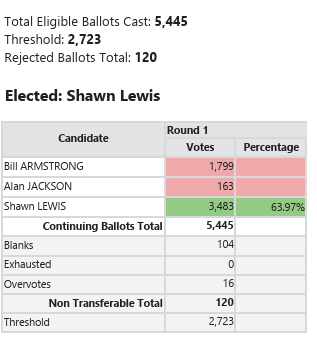
2018 results
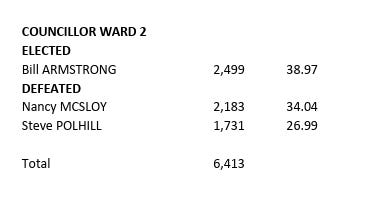
2014 results
A full list of Ward candidates is maintained by the City Clerk’s Office here. And you can find a guide to every ward in our MEGAPOST here.
Part 4: In the news
Mike writes
With a strong voice in its local councillor and a major part to play in the city’s economic story, Ward 2 arguably should show up in the news more often than it does. But it’s there, and here are some examples:
Ward 2 has that London problem: construction. But here the purpose is clearly linked to revitalizing that Dundas commercial corridor. Here’s a London Free Press story from last year, in which Councillor Shawn Lewis says it’s pain for gain.
Cedric mentions the East Lions Community Centre above and, yeah, that’s not going well. Here’s some CBC coverage from March. This is a public project that’s seen delays, rancor and, sadly, the closure of its pool, phew.
This is a nice story, though it’s three years old and I’m unsure how well the nickname might have stuck. From CBC, Argyle as Little India.
Another that’s a little older (2024) but interesting: Argyle Mall was one of three hotspots for transit delays in London, (the others being Downtown and Western University). Story from CTV.
Back in 2022, local biz Forest City Surplus popped supplied equipment to volunteer groups supporting soldiers on the frontlines in Ukraine. Here’s a report from Global News.
And there are the usual crime and crash reports, plus events that just happen to be local, such as recent storm damage, as reported here.
Part 5: And there’s more…
Our restaurant pick
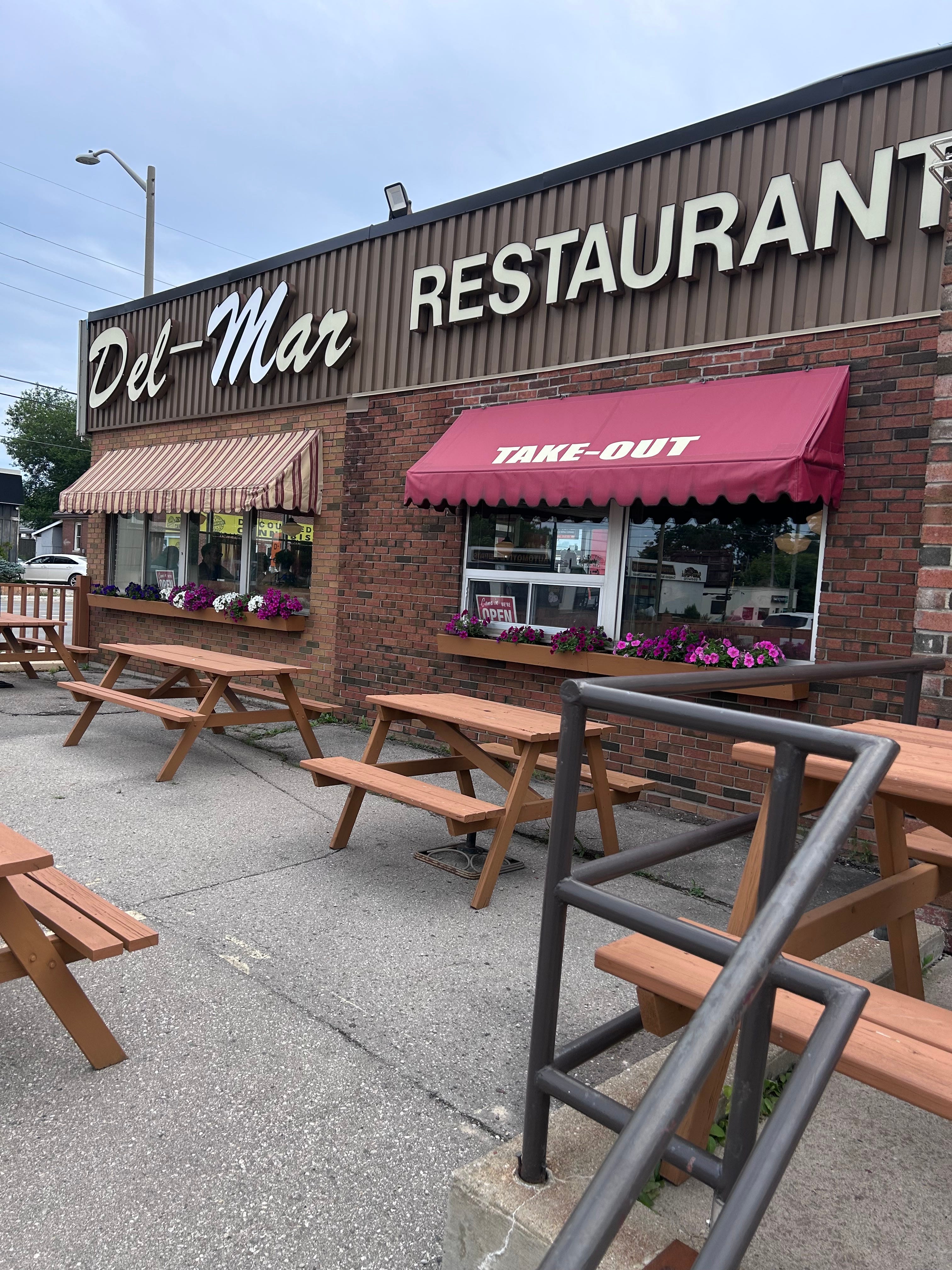
The Del-Mar is a diner that has been in the area since 1953, having been on its current site since 1957. It’s a tremendous place to experience the east end distilled, with its great service and delicious food. It’s usually first on the list when picking out a diner to east, but there are other good ones too, like Malibu, which recently moved down the road near Carlyle Drive.
The unmissable landmarks
Charley Fox Memorial Overpass
Londoners largely know this as the Hale-Trafalgar Overpass, but it was memorialized as the Charley Fox Memorial Overpass, named after the flight lieutenant and longtime eastender who served in the Second World War. In April 1944, he participated in a mission that involved the wounding of Nazi Germany field marshall Erwin Rommel. Opening 18 months after his death, there is a plaque commemorating his life and military service at the southeast corner of the roundabout, with an intricate sculpture in the centre of the overpass.
That’s Ward 2
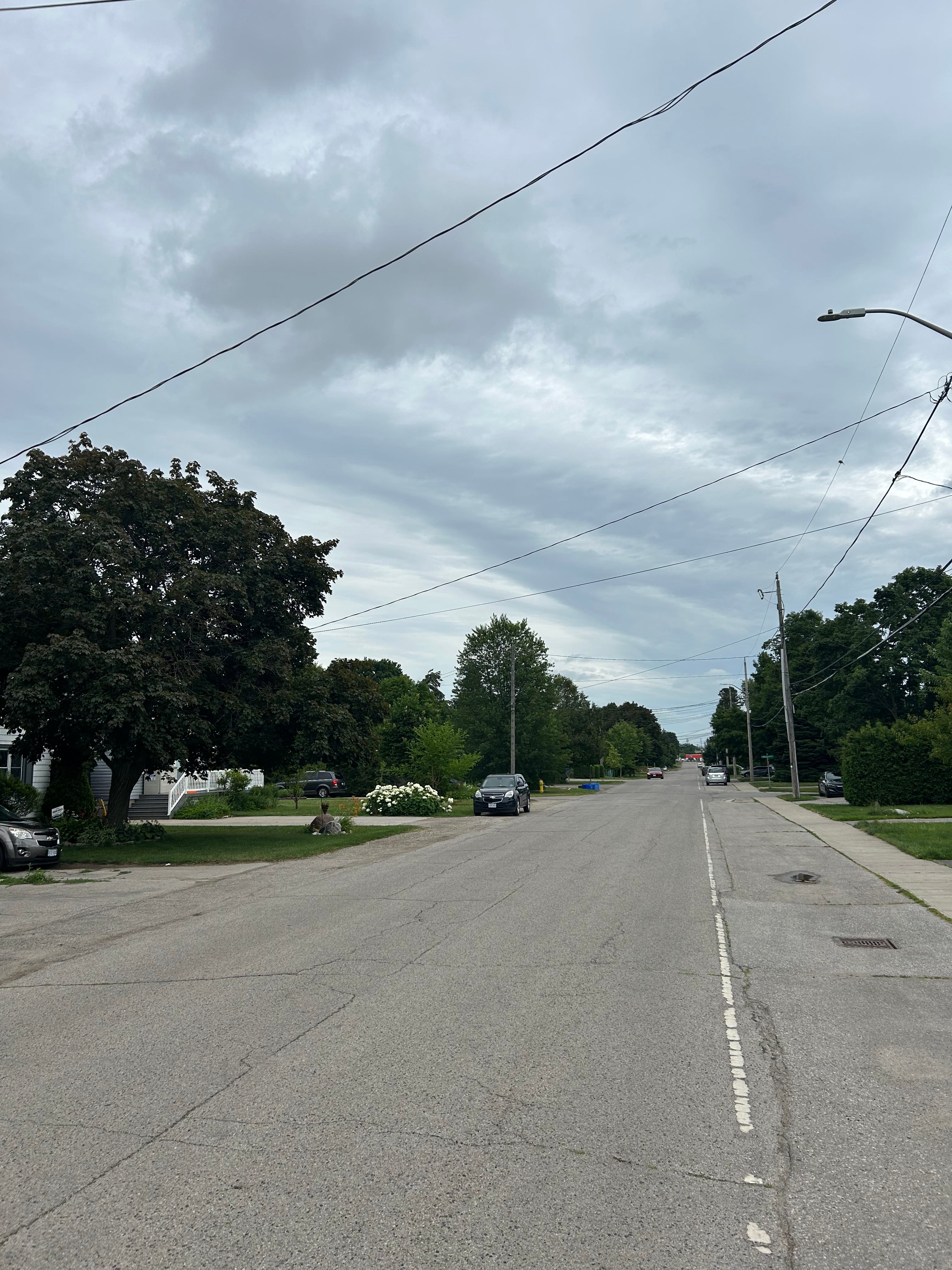
And that’s how we see it. We’ve had great breakfast foods, mused about eating at other restaurants, listened in on what everyday Londoners really think, and we offer you this guide to what it’s all about.
The Cedric/Mike teamup will continue all summer! We’re looking at all 14 wards, featuring one every Tuesday all the way to September. You can follow along here at London Ontario Online News, where there’s new content every day and we live here, too.
We’d love you to stay engaged and in touch. You can send us any topics you’d like us to discuss, or questions, or most anything else. Thank you - see you soon!
I have lived in ward 2 (at least according to the 2026 ward boundaries) for the past 6 years, and I have worked in ward 2 for 5. I think it’s unfortunate that it gets the reputation that it does and any time that outsiders tend to write about it they largely ignore its rich history and zoom in on the pavement, Argyle Mall or the Delmar. We do love our Delmar but, there’s more!
Dundas St east (formerly often referred to as Highway 2) used to be a main city gateway before the 401 was built in the 50’s. Clear with its still standing collection of 5 historical motels all in their 7th decade, albeit admittedly as with most things, not in the same condition that you see in the original pictures. This stretch is a victim of change but still survives and hasn’t been bulldozed for new plazas which is nice.
I moved here from Old North which while beautiful often felt out of touch with old money and oversized houses, where everyone had a lawn maintenance company and built in sprinkler systems. Moving into my particular neighbourhood of Pottersburg felt like the “just right” bowl of porridge from the Goldilocks tale. We are salt of the earth. We let our grass die when there is a drought and we don’t call the city to come fix what plow did to our lawn after a hard winter. I think we are an area with some of the lowest population density, so you can still find a parking spot at the shops and there are lot of single family (and heritage) homes or bungalows with a back yard larger than a postage stamp and fully grown trees. In spite of the construction, it’s still shockingly easy to move around in ward 2.
People often forget that The East Lions Community centre build faced a major challenge of happening during Covid. Considering that a lone, it’s not hard to understand why the build time took longer and the logistics got complicated. The community centre is beautiful including its outdoor amenities and boasts arguably the best user friendly indoor pool in the city. (The short term pool closure due to an isolated incident of vandalism to the windows, should sort out the last of its problems.) Contrary to the quoted social media comment about Walmart, I’d argue that the well used community centre is the best, most recent thing to happen to ward 2, if it wasn’t for the impressive new Humane society (which has called ward 2 home for over a century) and the addition of one of the city’s largest residential builds on the old psychiatric hospital grounds!
As for ward 2’s best kept secret, definitely beautiful Kiwanis Park which stretches nearly the entire north south length of the ward continuing to cross nearly the entire north south length of ward 1 as well. The old stone city boundary marker from before the city annexed Pottersburg actually still stands buried in the bushes along its north side.
There’s no argument that Gibraltars is an icon but its sister - the Western Fair Market has definitely stolen the show on harvesting potential. Maybe someday Gibraltar’s will grow into its old shoes.