



Welcome to Ward 6
Cedric writes
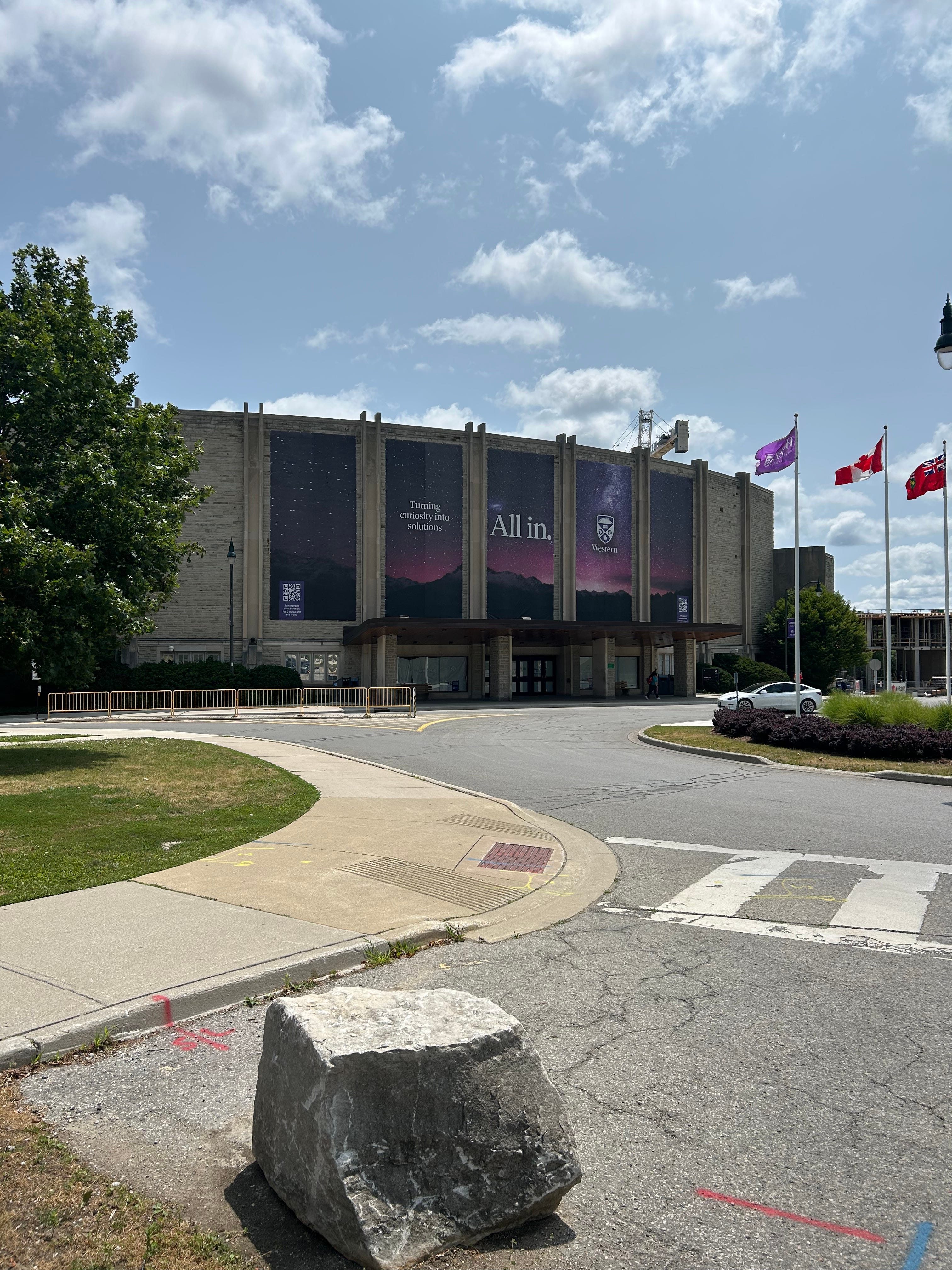
Welcome to another one of our profiles of the city council wards of London, Ontario. We are continuing our journey through London’s wards in this summer series. We are now over the halfway mark, profiling the eighth of 14 wards. From the southeast corner of London, we once again criss-cross the city to just north of London’s core to bring you Ward 6.
Ward 6 contains communities such as Medway, West London, and Old North, but we understand if you refer to it as the Old North ward or the one with Western University in it.
You may be familiar with this ward if you went to Western University, or work or teach there. Maybe you were born in London at St. Joseph’s Hospital. Or you’ve spent parts of your childhood in the summer at Gibbons Park in the wading pool. If you’ve tobogganed down the hill at Doidge Park, you’ve had fun in Ward 6.
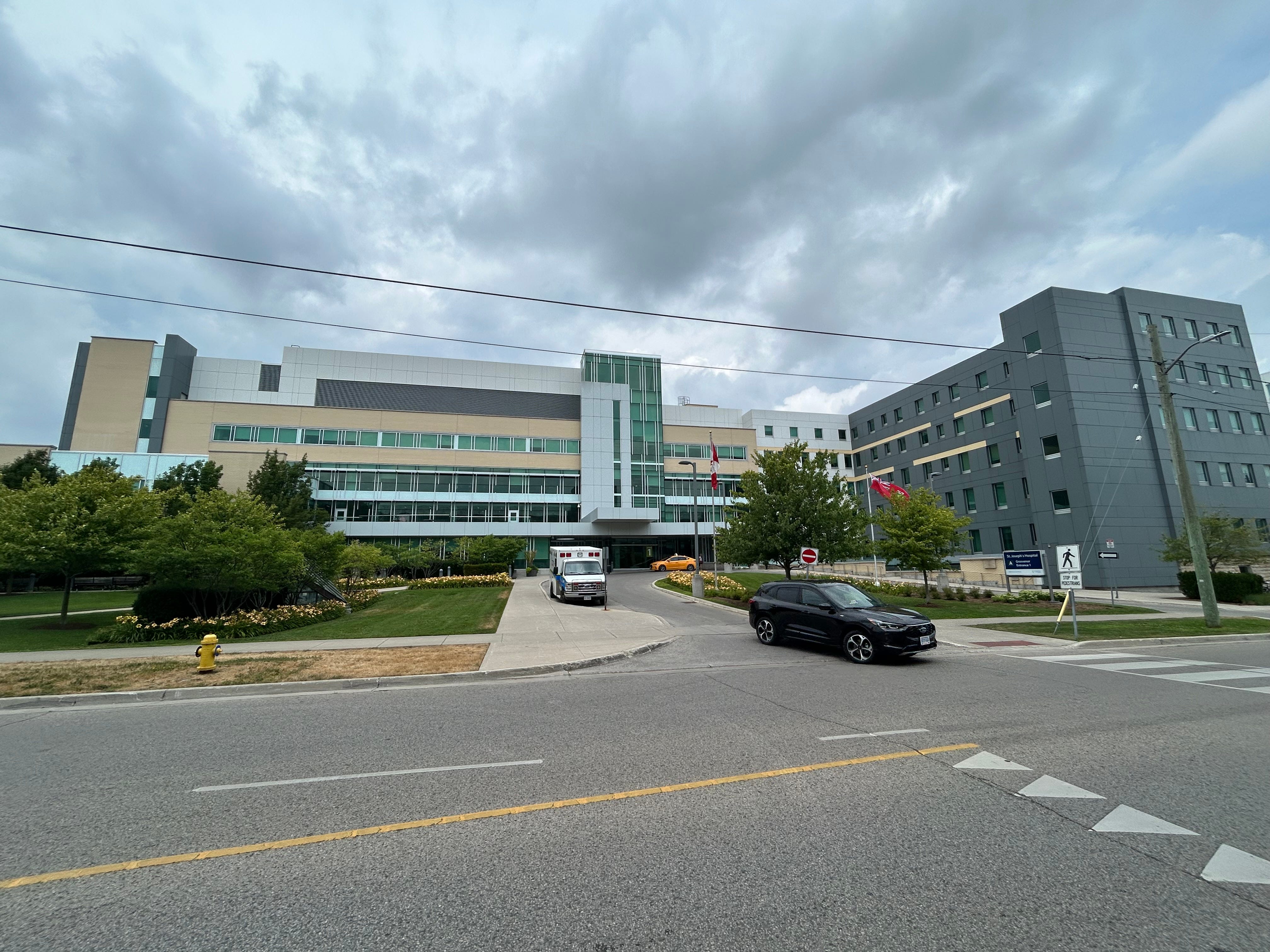
The area is shaped by institutions, and religion. The two concepts go hand-in-hand; the Venn Diagram is nearly a circle. St. Joseph’s Hospital, located in and around Richmond and Grosvenor Street, is a Catholic hospital owned by the St. Joseph’s Health Care Society of the Roman Catholic Diocese of London. The Diocese is located at the very north end of Waterloo Street, just adjacent to St. Peter’s Seminary. And King’s University College, a Catholic-oriented affiliate of Western University, is located along Waterloo Street and Epworth Avenue. Western’s other affiliate, Huron University College is home to an Anglican seminary.
Among non-Christian religions, the London Muslim Mosque is located on Oxford Street just east of Platt’s Lane, and holds iconic status as the first mosque in Ontario, and the second in all of Canada. Ward 6 is also a centre of Jewish life in the city. The Jewish Community Centre complex is located on Huron Street near Adelaide Street North. On the other end of Huron in the ward, the Berg Family Chabad House is a place of worship oriented to Jewish university students in the area.
Transit access is fine, owing to the fact that many students are near the university. You can just show up and wait for a bus on Richmond Street or Western Road. Transit could be so much better in this area, however. In a perfect world, London would have been building rapid transit to the north end, Route 1 would have traversed Colborne Street through Old North, and Sarnia Road would have been served by a route that would have seen five to six buses an hour. These proposals have either been shot down or drastically reworked due to opposition from locals, and some students.
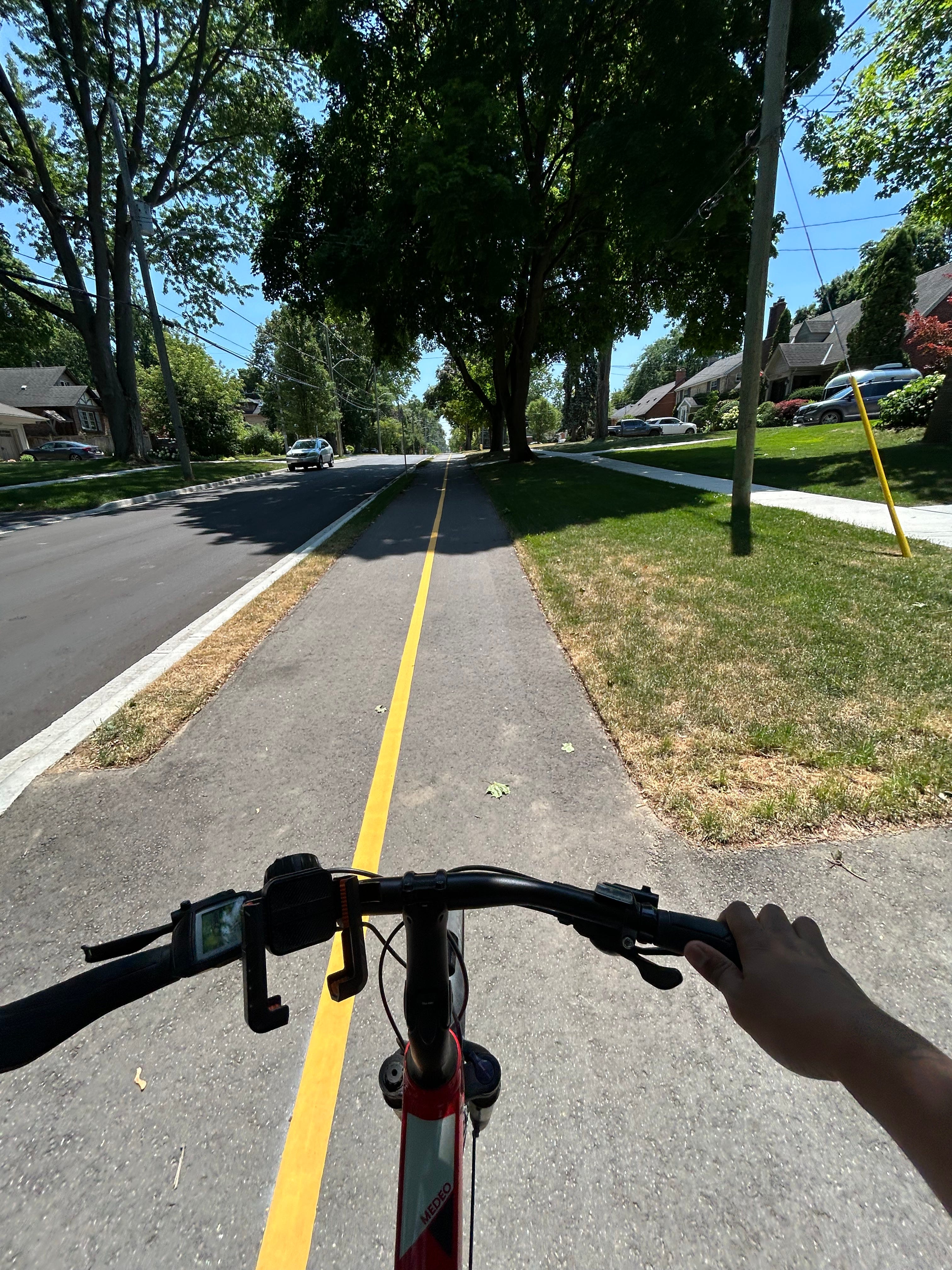
Cycling is an okay experience in the ward. I have enjoyed riding the Thames Valley Parkway through this part of Old North. It’s a safe and wonderful experience. Other than Cheapside Street, it is very difficult to travel east to west along the streets. Oxford, Richmond, Adelaide are ceded to cars, so if I need to get to a place, I have to use St. James, Wellington, or William.
There’s an interesting dynamic in this ward, regarding Western’s position in it, and its relationship with the city. You’ve probably seen the news reports on the perceptible contentious relationship between the students who live on Broughdale Avenue (and elsewhere) and the longtime locals who live in the area. You’ve likely heard of the Western bubble and how students undergraduate, graduate, and postgraduate allegedly have little semblance of the city outside of the campus. I have been asked by people from Western, pointedly, why I would live in this city that half a million people also call home. No matter what you think of the university, it’s a part of our city’s shared story and worth exploring.
That’s our challenge this summer: the story of London Ontario in 14 wards. Join us. We’re going by bike and by car, and we’re inviting Londoners into the conversation.
Cedric says:
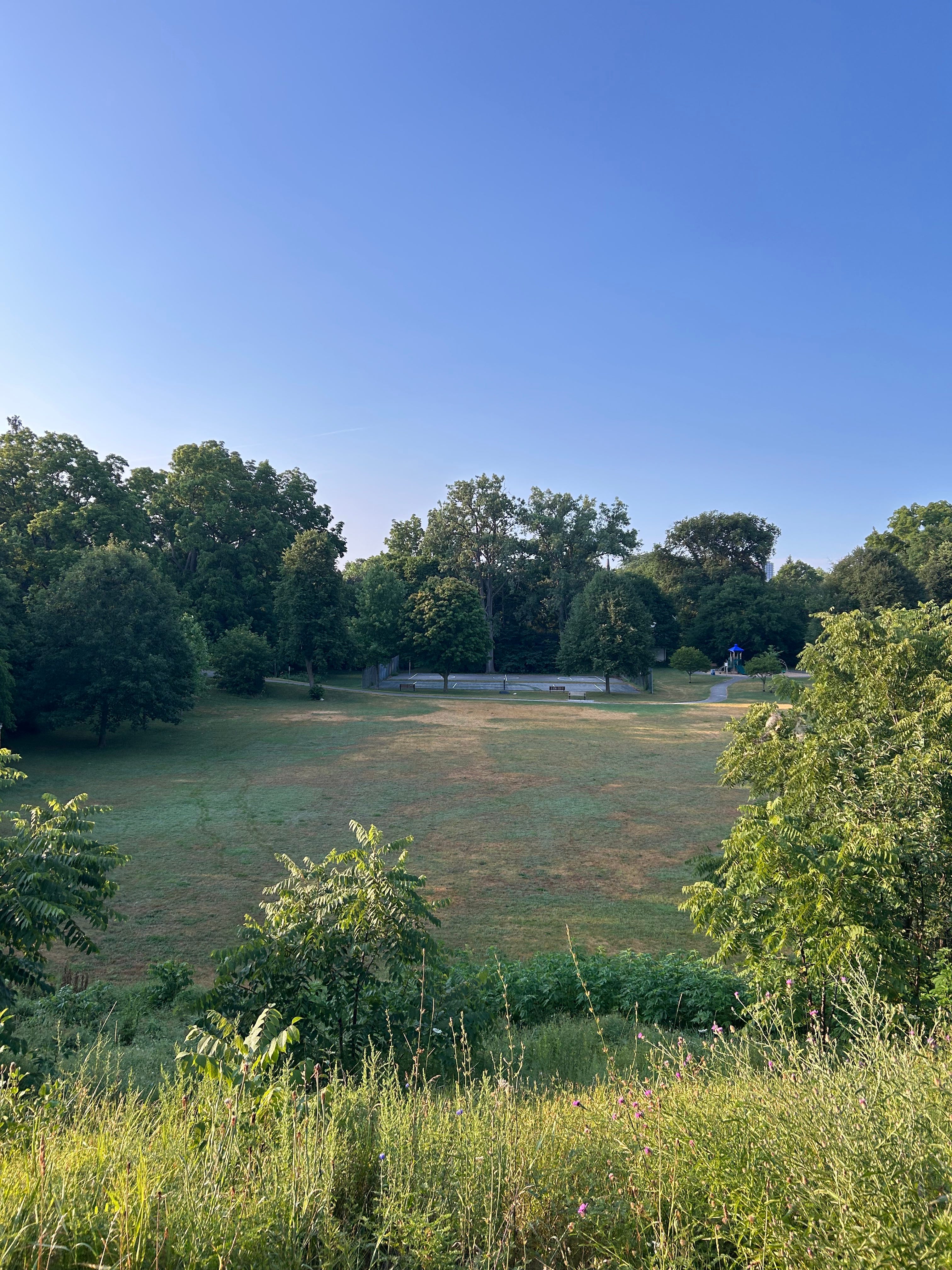
Hi all, it’s your City Editor for The Loon here! Another week, another ward. I’m grateful to bring to you our profile of Ward 6, an institutionally important part of London. Here, we lay out how it really is from the top of Doidge Park.
Mike says:
Here’s a ward we think we know, and I enjoyed discussing it with Cedric as we hung out in the park one morning. Ward 6 packs in a lot and there is plenty to discuss!
Every week, we’re having a chat in the ward itself. Here are our musings together in Ward 6, where cars, birds, and hospital workers whizzed by.
Part 1: Introducing Ward 6
Ward 6 - Medway, West London, Old North
Population - 41,234


Cedric writes
Ward 6 is the Old North ward. It was created in 2006, largely from the old Ward 2 and part of Ward 1. The ward, more or less, has consisted of communities like Old North, West London, and Medway.
The ward for the 2026 municipal election will see a small adjustment to the boundary, in which old will be new again. The northern boundary will be readjusted to Gainsborough Road in the west end of the ward. The new ward boundaries will be similar to the arrangement that existed from 2006 to 2018. Ward 6 will be saying goodbye to Attawandaron Road and Whiteacres Drive, and handing those areas off to Ward 5.
Much was made about Ward 7 having a substantially high population before the ward boundary review, but the new Ward 6 will be the most populous constituency in London, with 41,627 constituents. And that’s not even counting the students. At the end of the review and all the amendments, the new Ward 6 was the only ward that substantially deviated from the average ward population.
Part 2: Around the ward
West London
Cedric writes
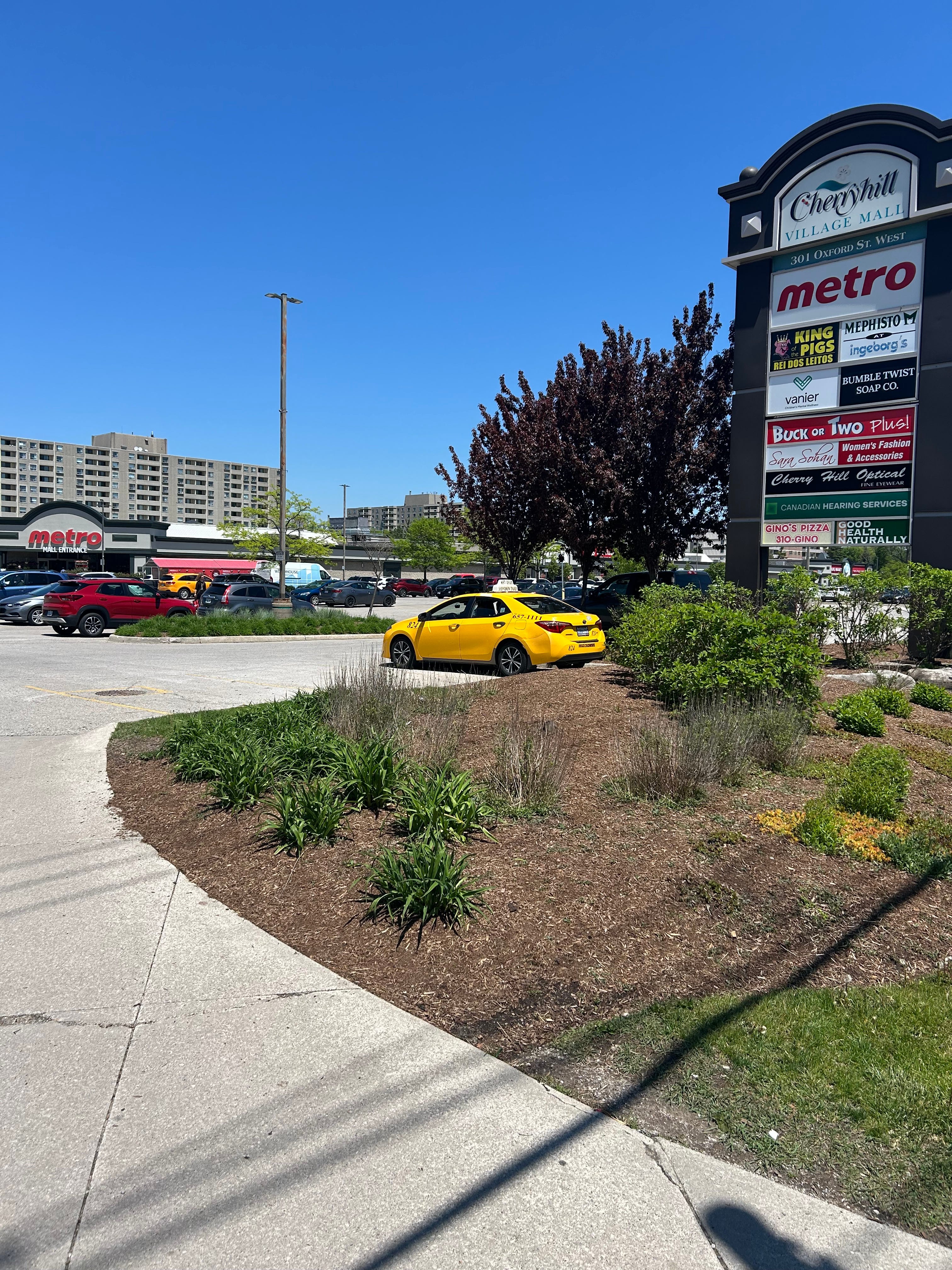
West London’s contribution to Ward 6 is between Oxford Street and the CPKC tracks in the south end of the ward. It’s an eclectic mix of things from Wonderland to the Thames, leading to an eclectic mix of people. From west to east, you have part of that concrete jungle at Oxford and Wonderland I talked about in the Ward 8 profile. Over the Mud Creek is Fleetway, a fun place for people of all ages. Further down the road is the Cherryhill community. A network of short streets loop around Oxford here, and they are lined with imposing, grey high-rise apartments, with the mall in the middle, which is like a centrepiece. The community received the 1984 Green Brick Award from the Urban League of London, recognizing “outstanding built form”. As someone who grew up in the area, it’s a very tight knit place, where everybody knows your name. Ironically, there is no pub for at least a kilometre.
If you’ve noticed how Beaverbrook Avenue exists in two discontinuous areas, and how Westfield Drive is a cul-de-sac with two high-rises, there is a reason. In the future, Cherryhill will be expanded to the west. The wide open field that stretches to Proudfoot Lane in the west is owned by Esam Group. There have been plans to develop the area since 1990; in 2024, the proposal to develop the area into parkland, apartment buildings, and townhouses was passed by city council.
The London Muslim Mosque is located at the corner of Oxford and Summit Avenue. It is a tremendous building that I remember touring more than a decade ago as a member of the London Youth Advisory Council. The area gets very lively each Friday as people make their way to the mosque.
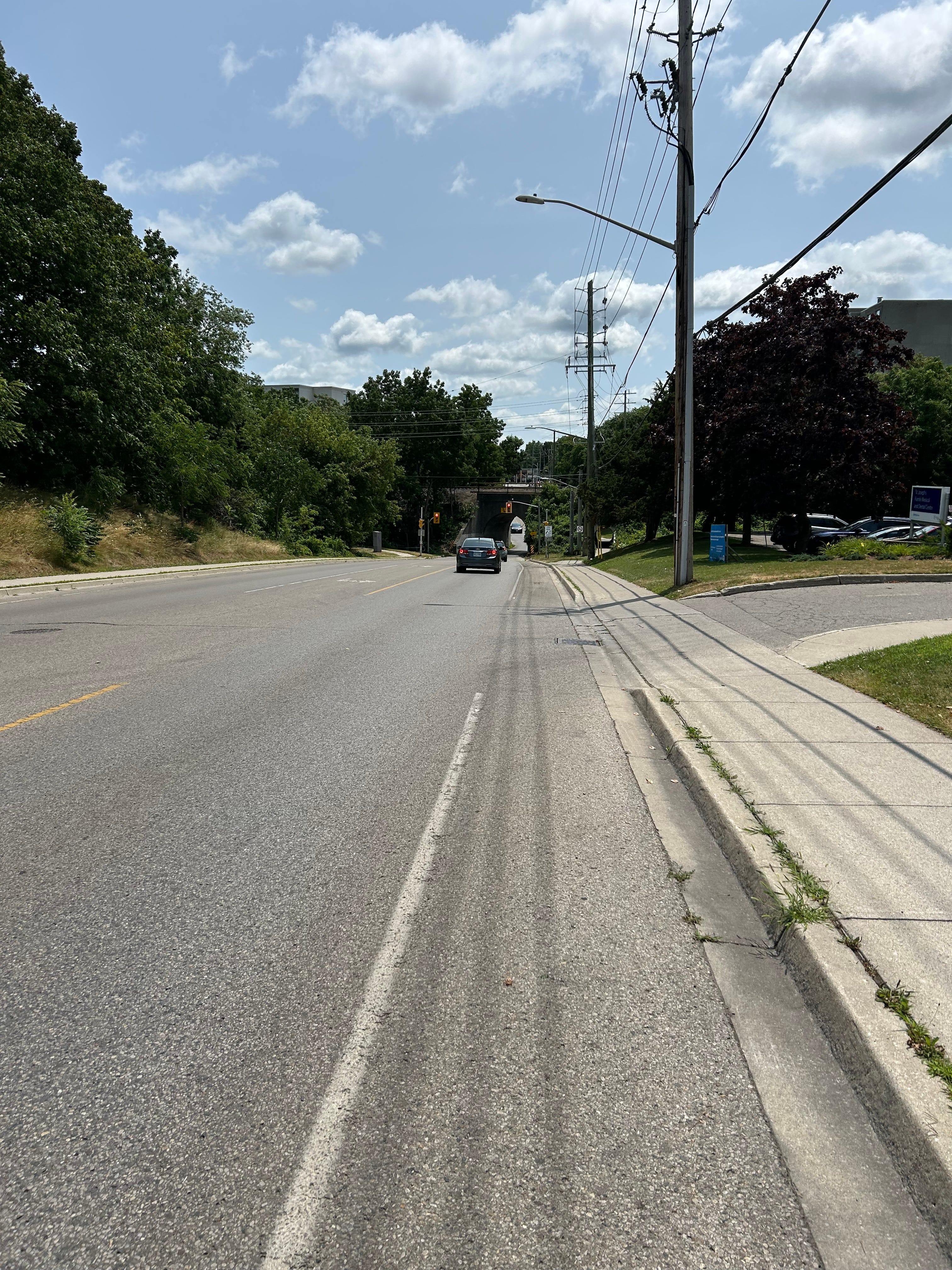
A hop, skip, and jump from the mosque is my childhood home on Platt’s Lane, and just up that street is London’s last remaining one-lane subway, the Platt’s Lane underpass. I have recently traveled through it and I’m mesmerized by it. Alternating traffic signals allow a few cars to pass at a time. And drivers don’t seem to be angered by it. As a kid, it felt like a portal to another world for me.
Beyond the underpass is a southern gateway to Western University. There are a lot of student residences, including the sprawling townhouse complex at the north end of Platt’s Lane.
Medway
Cedric writes
I mentioned institutions near the beginning. Western University is the key institution in this ward. There is often a forced binary impressed upon the city’s discourse, that you are either a student or an “actual Londoner”. But you can be both, and not just that, Western is very ingrained in this city, that you cannot just live as a Londoner divorced from the city. Take it from me: in my 20s, I had been dealing with epileptic seizures. I would have been in a worse place if not for the expertise of the neurologists at the Department of Clinical Neurological Sciences at University Hospital. They made it a treat to go to an appointment at the hospital. Aside from my health experiences, it’s a beautiful campus to go for a stroll. I’m not an alumni, nor have I been a student, but I know my way around the area after so many visits.
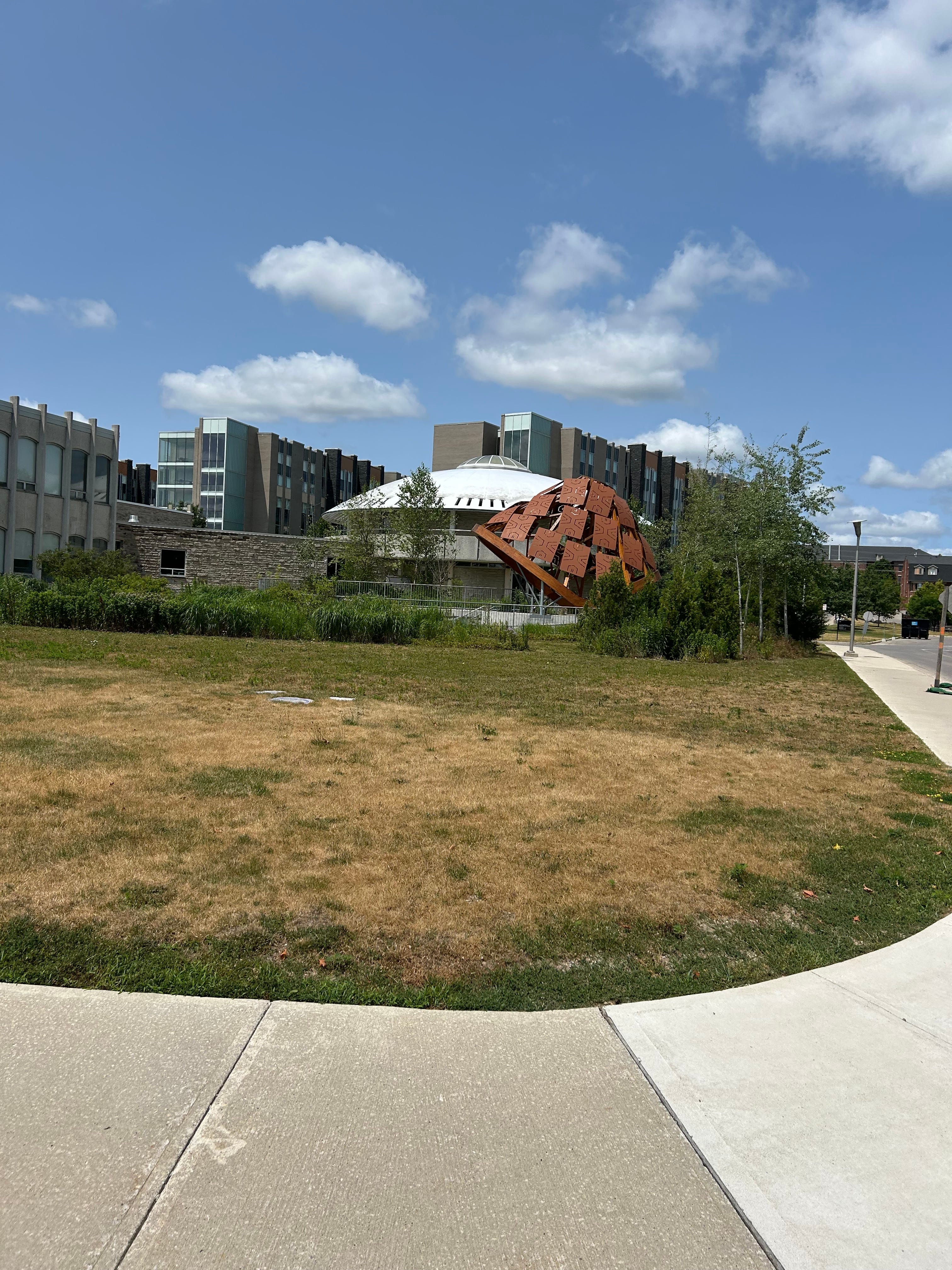
Medway in Ward 6 also consists of a few leafy and quiet suburban neighbourhoods. South of Sarnia, the area centering on Castlegrove Boulevard was historically known as Peppertree Estates. By a few pathways, it is connected to University Heights, which has an elementary school and park, each of the same name. The path that connects Trott Drive to Walmer Gardens was heavily used by me, when I was a teenager, when I had to walk or bike to and from the northwest corner of the city.
Sherwood Forest, to many Londoners, refers to the shopping mall on Wonderland Road North. But it’s also a pocket adjacent to Orchard Park. And the name was once attached to an elementary school that prior to closure, had Grade 6 as its maximum school year. I grew up with quite a few people who had a little graduation at the age of 12, then spent Grades 7 and 8 at Orchard Park. The school closed in 2013 after decades of educating children, and turned into a park, townhouse complex, and several single-family residences.
On the other side of the old Brescia campus, Orchard Park unofficially begins. Just along Ramsay Road, down the way from Clare Hall, is the Sisters of the Precious Blood Monastery. The urban planning enthusiast in me thought, “you could never build a place like this within a neighbourhood these days”. Since 1977, this building has been the fourth site for the monastery, having moved three times in the 64 years before that. The first three locations were in and around the downtown core. A lack of quiet and privacy was cited as a reason to move from the North Talbot area nearly 50 years ago, and having cycled through the neighbourhood recently, it does make sense.
The street grid pretty much breaks here. When I navigated this neighbourhood over the last month, I had to constantly check my compass direction, because a lot of roads here are curvilinear, and some are circular.
Old North
Cedric writes
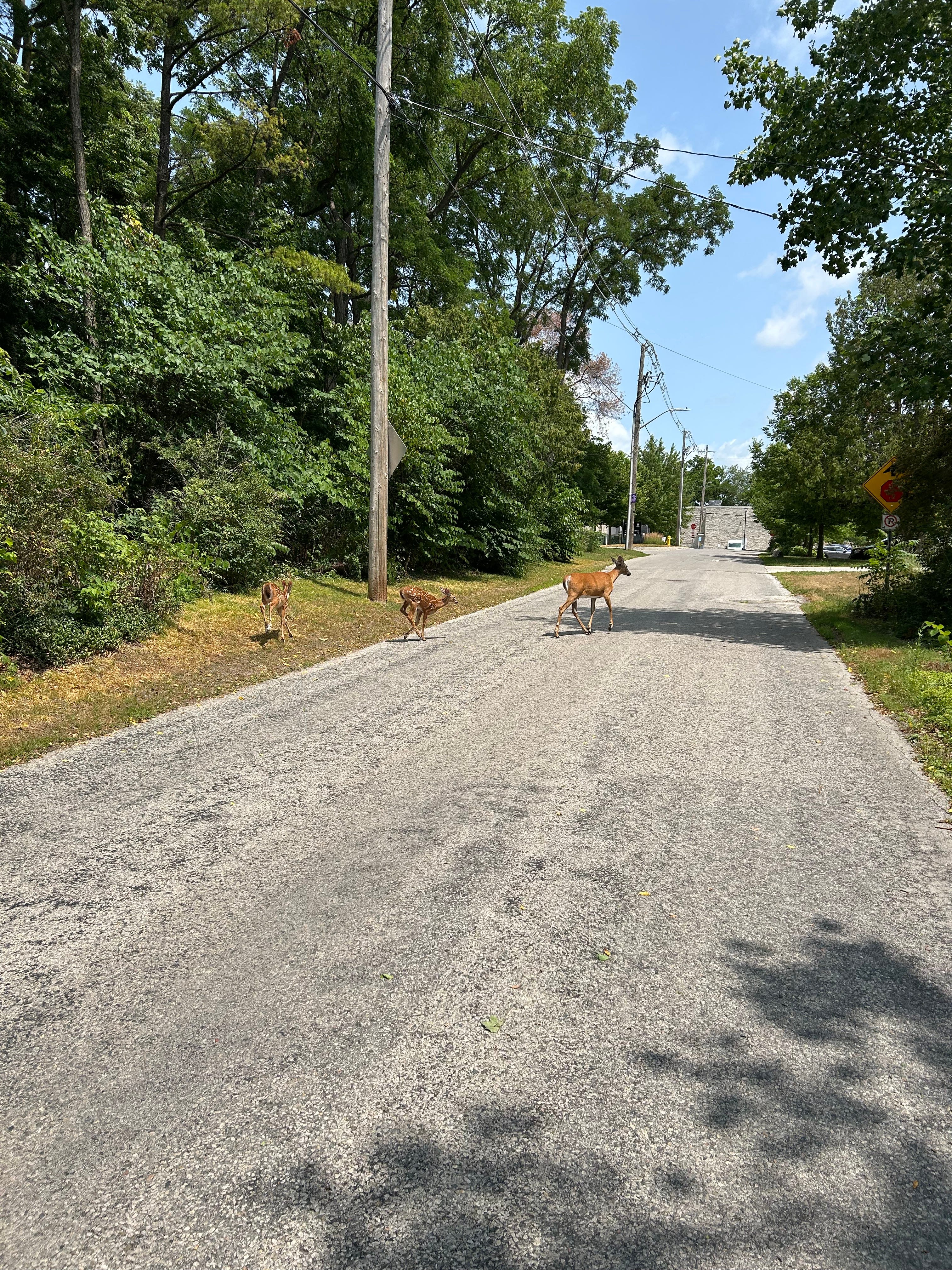
Old North is technically known to the city as North London. But you may think, “doesn’t North London refer to places like Masonville and Sunningdale?” You’re right. North London in this area is a bit of an anachronism; Huron Street was part of London’s northern city limits from 1840 to 1961. Broughdale, the community on the other side of Huron Street, was annexed in the latter year. It feels like recent history that this place is a part of London.
The nomenclature got me thinking, because Old North is having a traffic study underway. The study, if you look at the city’s webpage for it, does not make reference to Old North, save for the elementary school in the area.
Old North is, in a nutshell, wide streets and street trees, but some streets are too wide for comfort. One can only hope that the above noted traffic study can help make streets safe for the people who depend on them each day.
Within Old North is the Bishop Hellmuth Heritage Conservation District. The north side of the Waterloo and Oxford intersection is the gateway to the neighbourhood within a neighbourhood. The community is named after Isaac Hellmuth, who founded the Hellmuth Boy’s College, a boarding school that was the first home of Western University, nearly 150 years ago. The building no longer exists, but the houses that have replaced it and throughout the area are stately and gorgeous.
Part 3: Politics of Ward 6
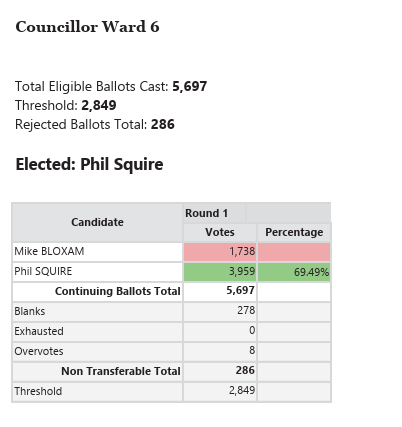
2022 results
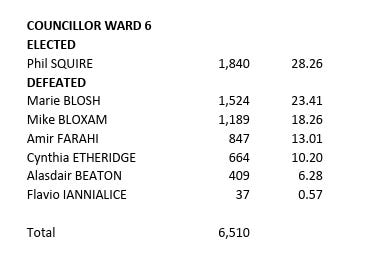
2018 results
2014 results
Mike writes
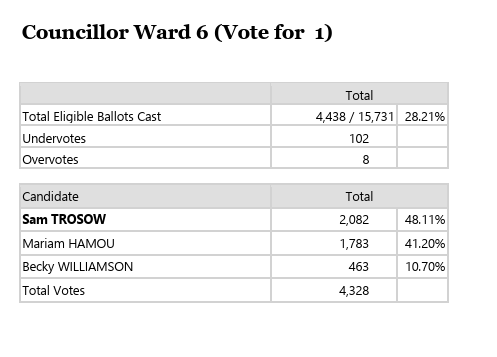
This is a fairly solid ward that likes its solid candidates. Going back several elections, we can find consistency in Nancy Branscombe, who’s now the Vice Chair of the London Police Services Board, before local lawyer Philip Squire takes over for a couple of terms, only stepping down to take up another role. The seat is now occupied by retired university professor Sam Trosow (following a period in which Mariam Hamou was appointed by council and unsuccessfully stood again) and continues to be a well-educated area where a strong argument can win it.
But this time, it’s unclear what might happen. Trosow, finishing a four-year term on council, goes into a re-election campaign with a majority of just 299, and he’s facing real opposition in Ian Sterling Leishman - who seems well-funded, judging by his signs, and was among the first to file on opening day, former London Transit Commission Board Chair Stephanie Marentette, and self-described public safety advocate Naomi Nadea. That’s a full lineup for any race and Trosow will have to fight to win. Certainly, these four should produce an interesting debate.
A full list of Ward candidates is maintained by the City Clerk’s Office here. And you can find a guide to every ward in our MEGAPOST here.
Part 4: In the news
Mike writes
Let’s offer some stories from Ward 6. With so many interesting spots, we could pick out lots of mentions, and instead I’ll try to focus on Ward 6 stories that reflect the wider London.
First, Bus Rapid Transit. It’s worth noting that Oxford Street and Richmond Street, both forming large parts of Ward 6, are also the two BRT routes that were previously denied. They’re now the subject of this renewed attempt to get funding: CBC story.
Of course, traffic is an issue everywhere. As I’ve noted in our podcast, Ward 6 includes areas of well-resourced, articulate people ready to advocate for their neighbourhoods. Here, for example, is a traffic study for Old North, showing a lot of concerning behaviour by drivers. LINK
More specific to the area, here’s an update on Western University’s traffic plans, including a goal to stop traffic cutting across campus.
And in housing - there is building here, too. That includes a massive new subdivision in Cherryhill. Story is here.
That area was the subject of a massive real estate deal four years ago, as reported in the Free Press here. That’s the $571 million sale of Cherryhill Village, which includes all the towers and the mall.
Let’s also highlight this student coverage of Eid at the London Muslim Mosque.
And Larry Cornies, until quite recently a columnist for the London Free Press, wrote this charming piece about Platt’s Lane late last year. Larry has an audio blog here and it’s a hidden treasure of our city.
Part 5: And there’s more…
Our restaurant pick
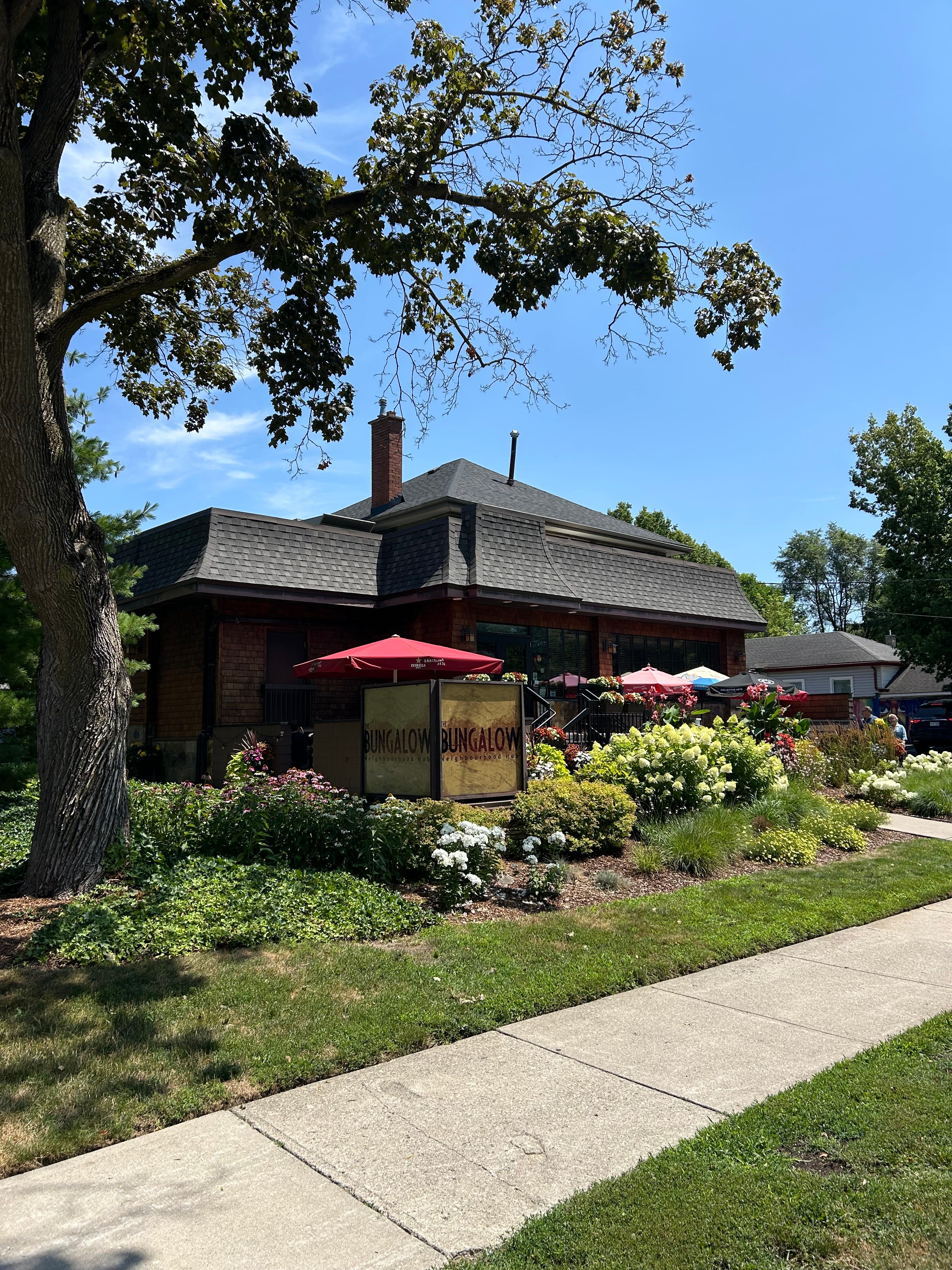
This restaurant pick was easy. We recommend that you try The Bungalow at the corner of Waterloo Street and Cheapside Street. The restaurant has a great selection of burgers and beers. When I first visited in 2012, I had wondered “I needed a place like this for so long”. It’s a dining experience that does not burn your wallet. The Bungalow was showcased on Food Network Canada’s You Gotta Eat Here series during its second season.
The unmissable landmarks
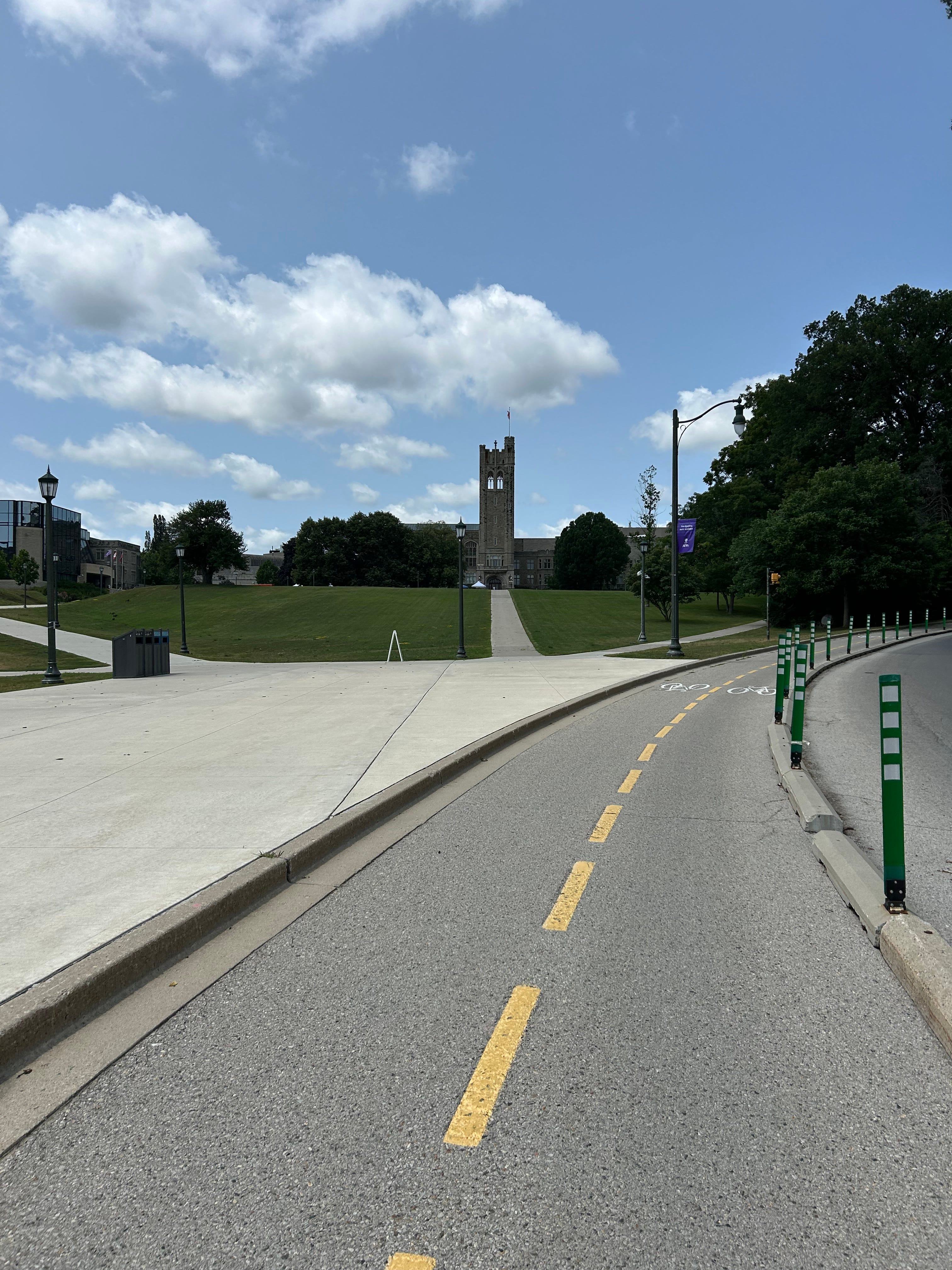
University College and its Hill
If you are coming into Western’s campus from the east, the first thing that will stick out to you is a tower reaching for the stars from the top of a hill. University College, located on that hill, was constructed from 1922 to 1924 in the Collegiate Gothic architectural style. It was one of the first buildings constructed on the current campus. The tower that is located in the centre of the building is officially known as the Middlesex County Memorial Tower.
The knoll that pours out to the University Drive bridge is a popular gathering space for students and faculty.
I visited the hill leading up to the building in 2017 to take part in viewing the solar eclipse. It was a fun way for Londoners to get together and witness a piece of the wonderful goings-on of the universe. Years later, I visited Talbot College, at the bottom of the hill to take part in a music study. The hill and the tower look equally wonderful at night.
The culmination of the iconic status of the tower came in 2000, when the University of Western Ontario used the tower as part of its official logo. This was scrapped in 2012 during the rebrand to Western University. The tower still lives on.
That’s Ward 6
And that’s how we see it. We went to Western despite neither of us being alumni, became royal subjects of the Banana Kingdom, stopped at each four-way stop to marvel at our surroundings, and we offer you this guide to what it’s all about.
The Cedric/Mike teamup will continue all summer! We’re looking at all 14 wards, featuring one every Tuesday all the way to September. You can follow along here at London Ontario Online News, where there’s new content every day and we live here, too.
We’d love you to stay engaged and in touch. You can send us any topics you’d like us to discuss, or questions, or most anything else. Thank you - see you soon!
Thanks for the very kind shout-out, guys. Cedric is right: Despite the alternating signals at the Platt’s Lane underpass, motorists seem to take the delay in stride.