


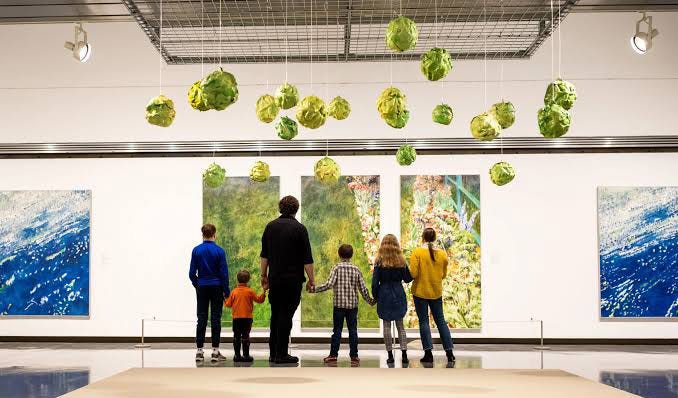
This week, I’m doing something a little different. Instead of sharing my usual weekly recommendations, I wanted to talk about why arts and culture are important to London, and why they should be part of the conversation as we head into the upcoming municipal election.
If you’re a regular reader of this column, you likely don’t need to be convinced that arts and culture are about much more than what’s on a stage or what’s hanging on a gallery wall.
Arts and culture create jobs, generate economic activity and tourism, bring people downtown, and help attract and retain talented people. Arts and culture give us reasons to gather, connect and experience something together.
And, maybe most importantly, arts and culture feed the soul and the spirit and helps to shape the kind of city we want London to be.

Which brings me to the election. Over the next few weeks, there’s a good chance someone running for London City Council is going to show up at your door.
They’ll have a brochure. They’ll probably tell you why they’re running. And then, if they’re doing it right, they’ll ask if there’s anything you’d like to know.
There are a lot of big issues competing for our attention in this municipal election: the economy, housing, homelessness, affordability, transit, taxes, the future of downtown, and I don’t want to take away from the importance of any of these issues.
Arts and culture often gets relegated far down the priority list. It gets referred to as a “nice to have” or a “frill”, and not as important as the serious issues.
Except arts and culture are part of the serious issues.
In This Week’s Column
Culture is an Economic Issue
Why Culture Matters to Quality of Life
Make Arts and Culture Part of the Conversation
Six Questions Worth Asking Your Candidate
Culture is an Economic Issue
Last year, the London Chamber of Commerce released a report on the role culture can play in the evolution of downtown London. Their argument for the sector is straightforward: a strong cultural sector contributes to economic growth, tourism, community engagement, talent attraction and quality of life.
According to research cited in the Chamber report, arts and culture tourists spent approximately $11.4 billion in Ontario, generating $5.7 billion in direct economic value.

Cultural tourists also punch well above their weight, although they represent just 13% of unique tourist trips in Ontario, they account for 30% of tourism spending.
That spending doesn’t stop at the door of a theatre, gallery, concert venue or museum either. People go for dinner, have a drink, shop and pay for parking. Visitors stay in hotels. Cultural activity creates foot traffic, and foot traffic supports other businesses.
This is particularly relevant when we’re talking about downtown London, which we all know needs support.
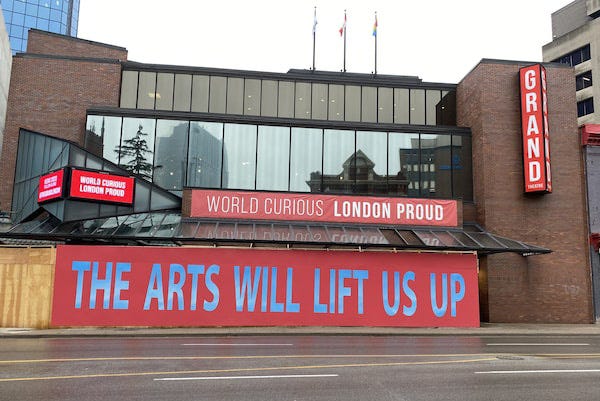
The Chamber report states that festivals, cultural institutions, public art and creative spaces help bring people downtown, animate underused spaces and support surrounding restaurants, retailers and businesses. It also points to London’s existing cultural assets, Museum London, the Grand Theatre, London Children’s Museum, McIntosh Gallery, Aeolian Hall, our designation as a UNESCO City of Music and festivals such as Sunfest and the Forest City Film Festival as part of what gives the city its identity.
The City seems to agree. In June, City Council endorsed Downtown Reimagined, a new 10-year plan for the core that describes downtown as London’s cultural, civic and economic heart. Among its four major “Big Moves” is a commitment to build on London’s designation as a UNESCO City of Music, alongside investments in public spaces, stronger connections to the Thames River and a new approach to downtown governance.
And culture was one of the 5 key themes that Londoners stated was critical when giving feedback on our downtown.
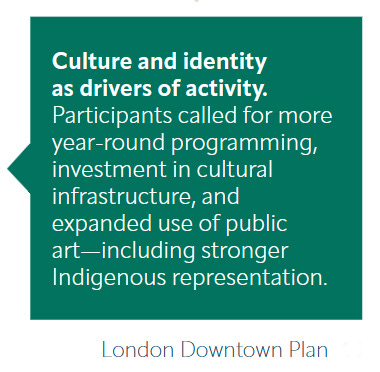
So, ff we’re going to spend this election talking about how to make downtown more vibrant (and we should be), culture deserves to be part of that conversation.
Downtown London - Sponsor of The Loon
Downtown London is dedicated to championing the businesses, events, restaurants, shops, and people that make the core of our city vibrant.
ADVERTISEMENT

Forest City Arts & Culture Round-Up is sponsored by Downtown London
www.downtownlondon.ca
Supporting independent local journalism in our community
Why Culture Matters to Quality of Life
Arts and culture are part of what makes a city a place where people actually want to live.
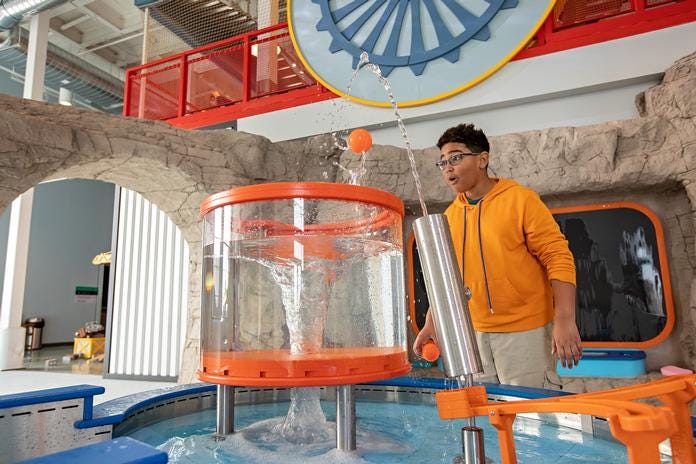
The Chamber report notes that 79% of people believe the arts greatly contribute to mental health and community cohesion. Cultural events and spaces give us places to interact, share experiences and feel connected to the community around us.
They’re also part of how London competes for people.
We have graduates from Western and Fanshawe with creative skills. If we want them to stay in London, along with other young professionals and entrepreneurs, we need to provide them with a high quality of life. People want interesting places to go, things to see, music to listen to, neighbourhoods to explore and communities they feel part of.
Make Arts and Culture Part of the Conversation
It’s easy for a candidate to say that they “supports the arts”. But what does that mean? Do they have specifics behind that statement?
Do they see arts and culture as part of economic development and downtown revitalization, or primarily as entertainment?
Do they understand the pressures facing cultural organizations and artists?
Are they willing to invest in cultural infrastructure?
When budgets get tight, where does culture fall on their list of priorities?
Municipal elections aren’t only about fixing what’s wrong with a city. Elections are also about deciding what kind of city we want to build.
And arts and culture deserve to be part of that decision.
This is where three London cultural organizations have come in. Representatives from the Grand Theatre, London Children’s Museum and Museum London have developed a set of questions for candidates in London’s 2026 municipal election.
The idea isn’t to tell people how to vote. It’s to make sure arts and culture are part of the conversation.
These questions have also been distributed to other London arts organizations, as well as to the Urban League, which will be asking some of them at the upcoming all-candidates meetings

The London Chamber of Commerce has also been asking candidates questions and has included a few about arts and culture. They’ve been posting the responses on their website.
Six Questions Worth Asking
Pick the two or three of the questions below that matter most to you, and ask them at an all-candidates meeting. Send them to someone running in your ward, or keep them handy for the next time your doorbell rings.
Find a pdf version of the questions here, that can be printed out:

1. Vision, Leadership & Accountability
What role do you believe arts, culture, and heritage should play in London’s future growth and quality of life?
If elected, what specific actions would you support to ensure sustainable municipal investment in the sector and accountability for updating and achieving the City’s cultural strategy?
2. Economic Development & Placemaking
Arts and culture contribute to London’s economy, downtown vitality, tourism, and civic identity.
What specific policies or investments would you support to strengthen the cultural sector as a driver of economic development, talent attraction, and placemaking?
3. Equity, Inclusion & Reconciliation
How would you ensure that municipal cultural investments, programs, and decision-making processes are inclusive and accessible for Indigenous, Black, newcomer, disabled, and other equity-deserving artists and communities?
What role should reconciliation play in London’s cultural development?
4. Infrastructure Investment
Many of London’s cultural facilities, creative spaces, and heritage assets face aging infrastructure, affordability pressures, or capacity challenges.
What are your priorities for maintaining, improving, and expanding cultural infrastructure across the city?
5. Arts, Health & Community Well-Being
Research shows that participation in arts and culture strengthens community belonging, social connection, mental health and well-being, and quality of life.
What municipal strategies would you champion to further support and advance these outcomes?
6. Municipal Investment & Budget Priorities
Municipal budgets require making choices among various priorities. Where do arts, culture, and heritage fit within your spending priorities and why?
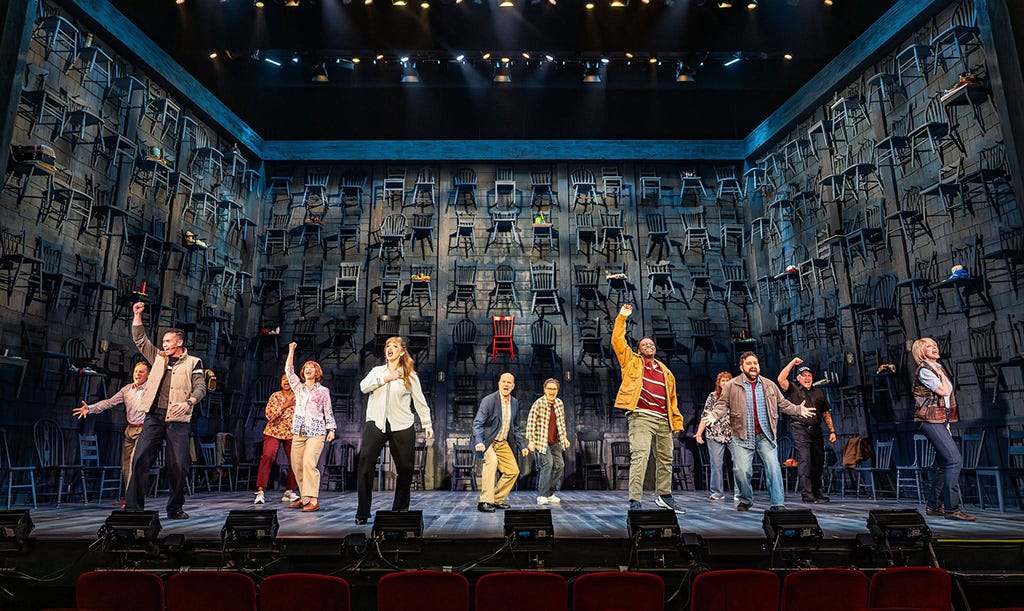
The Loon (London Ontario Online News) lineup
New content every day!
We’ve teamed up to send you a new feature every weekday:
Monday - Buckle Up - podcast with Matt Brown - SPONSORED BY HAMILTON ROAD BIA
Tuesday - Ward Tours with Cedric Richards - SPONSORED BY LONDON BICYCLE CAFÉ
Wednesday - City Hall Notes by Mike Donachie - SPONSORED BY SPERO LAW
Thursday - the Forest City Arts and Culture Roundup by Diana Tamblyn - SPONSORED BY DOWNTOWN LONDON
Friday - Reflecting, with Steve Cordes - SPONSORED BY OLD EAST VILLAGE BIA
And free on Fridays: the ROUNDUP, briefing you on the stories you need to know, gathered in one place. Regular analysis of the issues affecting London and the region.